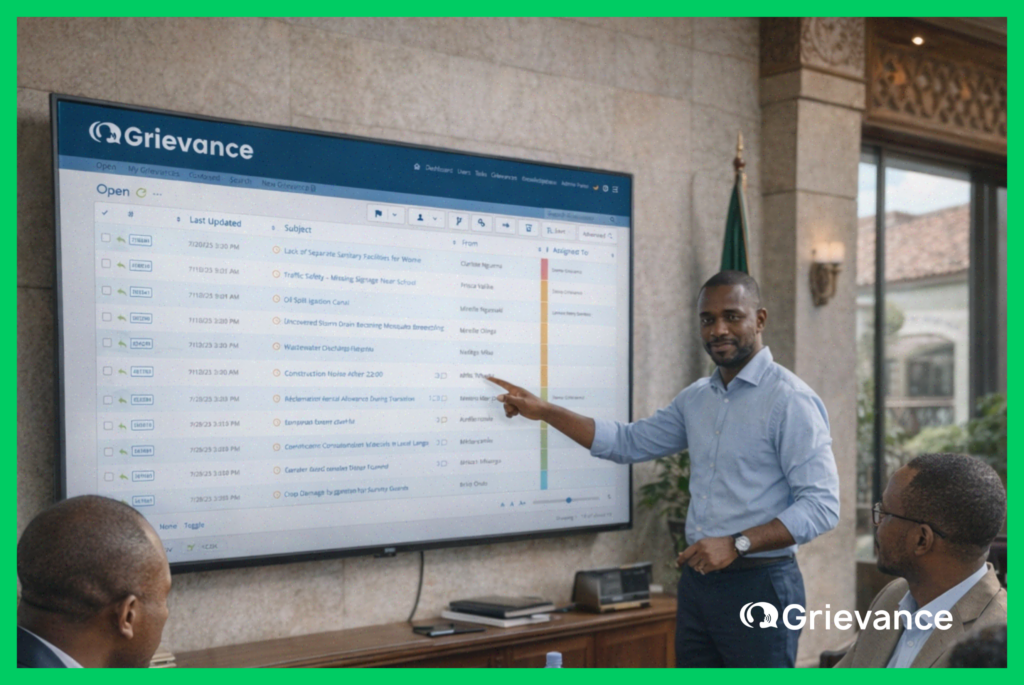
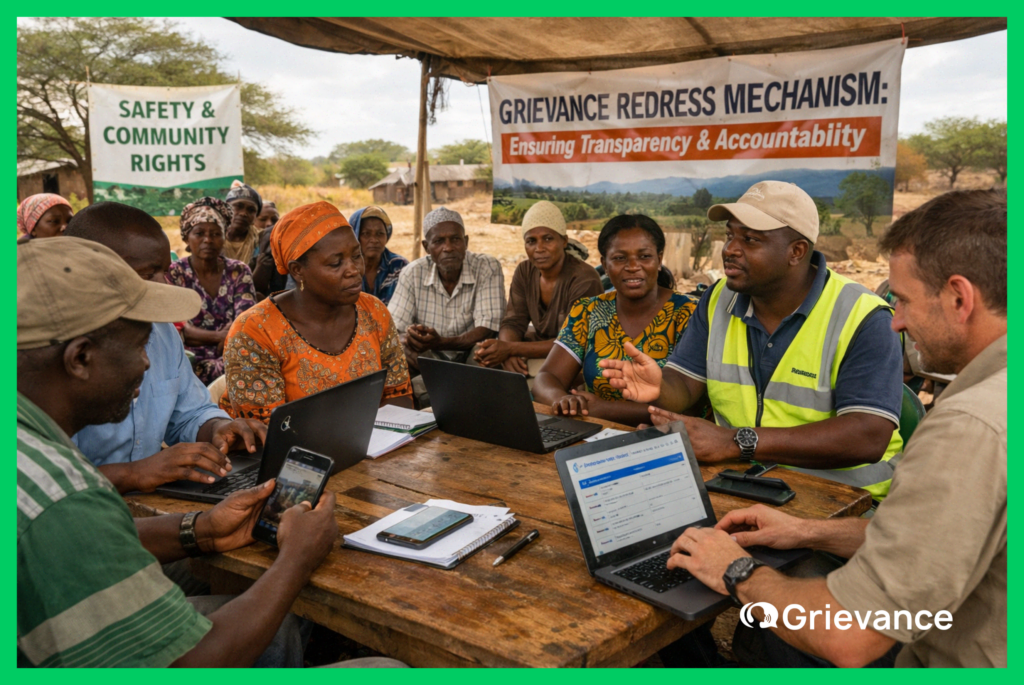
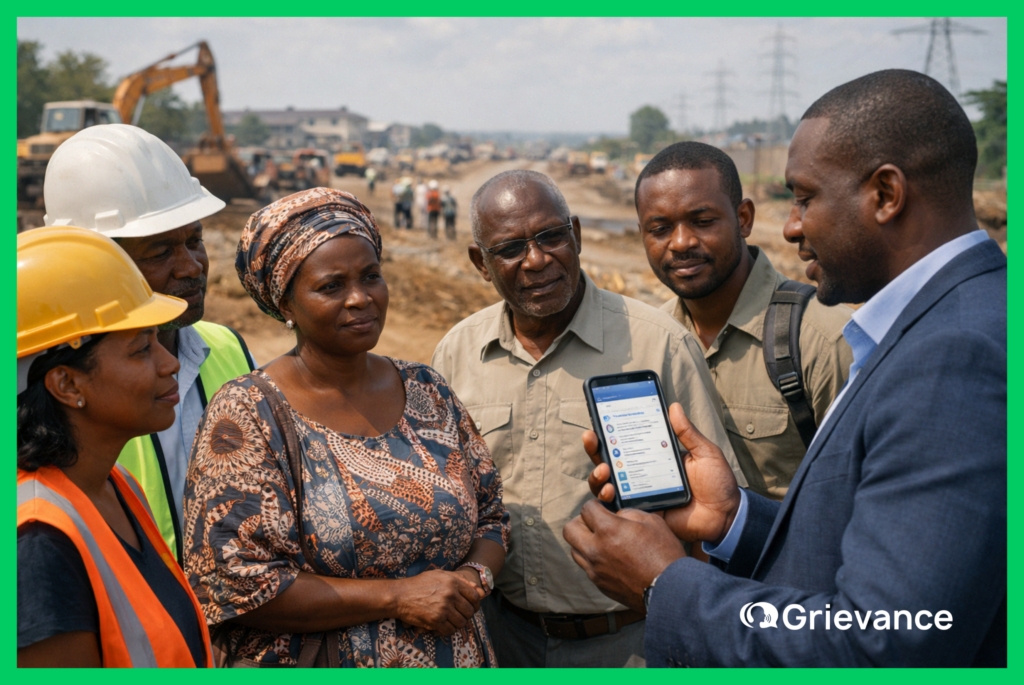
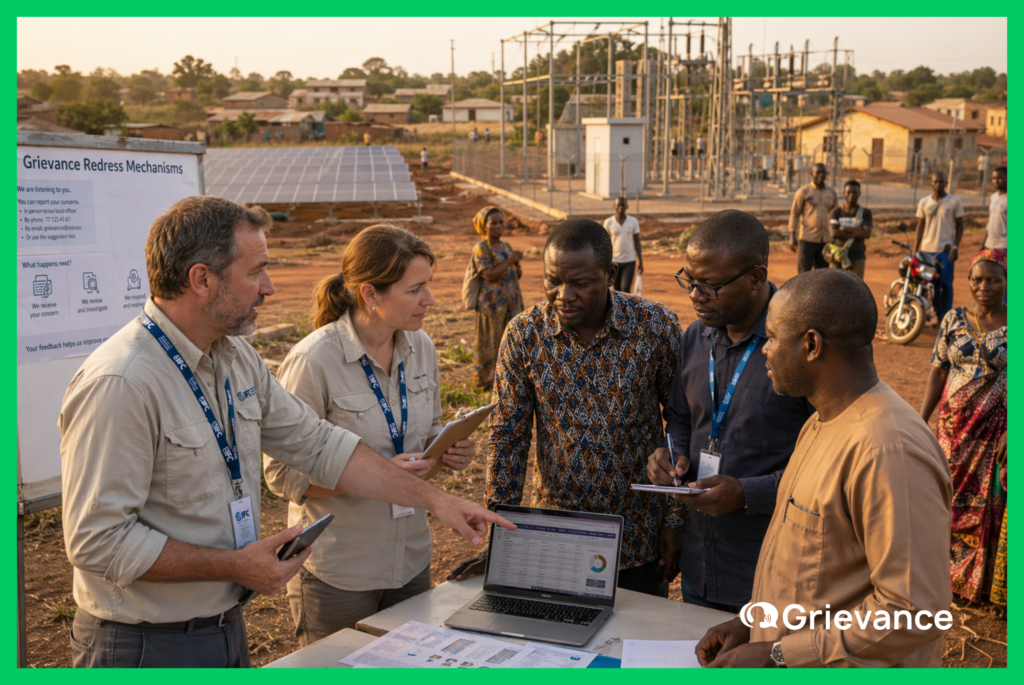
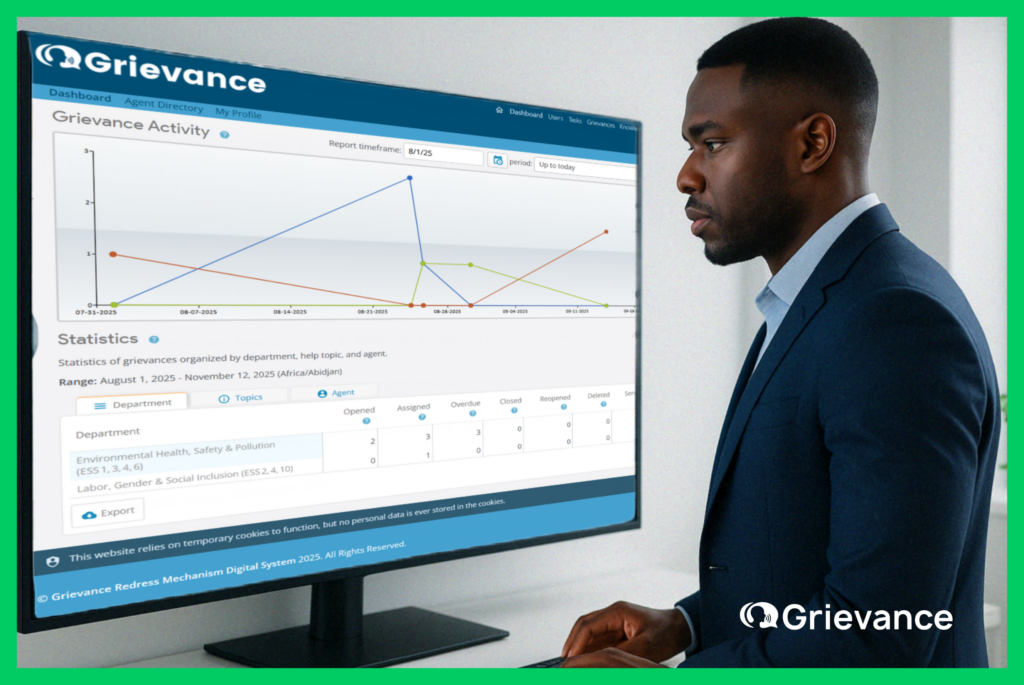
Every organization, from government ministries to international NGOs, faces unique challenges when handling complaints and feedback. A one-size-fits-all approach to grievance redress often falls short. Stakeholders demand that their concerns be heard and resolved in a way that fits the project context. This is where a custom GRM solution comes into play. By implementing a […]
How a Digital GBV Reporting System Strengthens Protection in Development Projects
Gender-Based Violence (GBV) remains chronically under-reported in many development projects due to fear, stigma, and lack of secure channels. Survivors often stay silent when reporting mechanisms are inconvenient or unsafe. Traditional complaint boxes or in-person offices can be intimidating or inaccessible, especially for women in remote communities or those fearing retaliation. This is where a […]
Data Protection and Confidentiality in Digital Grievance System
In an age of digital accountability, organizations are increasingly turning to digital grievance systems to manage complaints and feedback in development projects. But with great data comes great responsibility. When people submit grievances, often containing personal details or sensitive information, they need assurance that their data stays safe. Imagine a community member filing a complaint […]
Scaling Accountability Across Borders: Managing Multi-Country GRMs
In today’s interconnected world, many development initiatives span multiple countries. Managing these cross-border projects comes with immense benefits and equally immense challenges. One critical challenge is how to handle grievances from stakeholders spread across different nations. A multi-country GRM (Grievance Redress Mechanism) offers a unified process for individuals in any country to submit complaints and […]
From Paper to Platform: How Grievance App Transforms Stakeholder Complaint Management
In an era where transparency and accountability are paramount, relying on paper-based grievance logs and suggestion boxes is no longer sufficient. Communities and stakeholders today demand swift, visible action on their complaints, not just forms that vanish into filing cabinets. Unfortunately, traditional manual processes are often slow and opaque, with issues slipping through the cracks […]
Why a Digital Grievance Redress Mechanism – GRM is Essential for Modern Development Projects
In today’s development projects, whether led by governments, NGOs, or multilateral agencies, stakeholder concerns can make or break success. Communities and citizens demand transparency, accountability, and quick resolution of grievances, not just paper forms or suggestion boxes. A Grievance Redress Mechanism – GRM provides a structured, official process for people to submit complaints and receive remedies. […]
International Project GRM: Navigating Cross-Border Challenges
International development projects funded by major donors (e.g. World Bank, AfDB, EU) now require formal grievance mechanisms for accountability. Implementing an international project GRM means enabling stakeholders in multiple countries to raise issues and receive remedies. A well-designed international project GRM serves as an early warning system, alerting teams to problems across borders before they […]
Accessible Grievance Mechanism: Ensuring No Voice is Left Behind
In large projects, accessibility in feedback systems ensures no voice is left behind. A modern, accessible grievance mechanism removes all barriers so that “all stakeholders, regardless of location, language, literacy, or ability, can use [the GRM] easily”. UN guidelines echo this: effective GRMs must be “accessible directly to individuals and communities who may be adversely […]
Anonymous Grievance Reporting in GRMs: Balancing Transparency and Protection
Effective grievance redress mechanisms (GRMs) are crucial for large-scale development initiatives; however, many stakeholders hesitate to voice their concerns if they fear retaliation or stigma. Anonymous grievance reporting provides a safe channel for candid feedback, encouraging early identification of issues that might otherwise remain hidden. In fact, experts warn that without anonymity, a GRM can […]
The Cost of Inaction: Why Delaying Digital GRM Implementation is Risky
In today’s high-stakes project environment, delaying the implementation of a digital Grievance Redress Mechanism (GRM) can quietly accumulate heavy costs. GRM implementation urgency is very real for organizations managing large infrastructure projects, social programs, or corporate initiatives. When stakeholder complaints and community grievances go unaddressed or rely on outdated systems, small issues can snowball into […]