
How a Digital GBV Reporting System Strengthens Protection in Development Projects
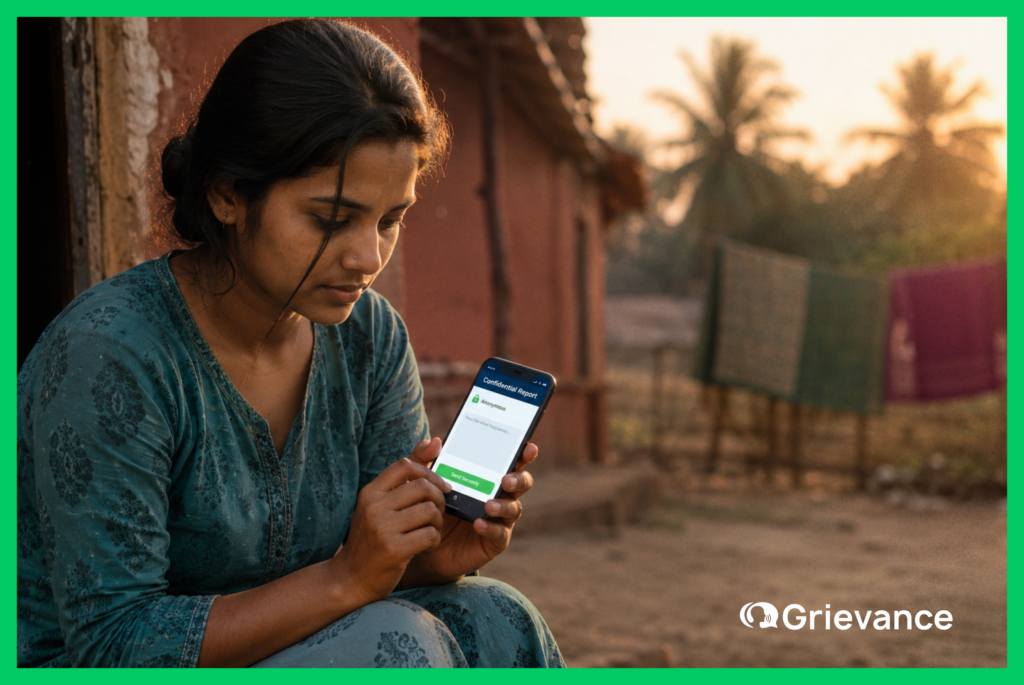
Digital GBV Reporting System
Gender-Based Violence (GBV) remains chronically under-reported in many development projects due to fear, stigma, and lack of secure channels. Survivors often stay silent when reporting mechanisms are inconvenient or unsafe. Traditional complaint boxes or in-person offices can be intimidating or inaccessible, especially for women in remote communities or those fearing retaliation.
This is where a digital GBV reporting system comes in. By providing confidential, user-friendly platforms, digital grievance mechanisms remove barriers that prevent survivors from speaking up. Instead of a vulnerable woman having to confront authorities face-to-face, she can anonymously send a message or submit a report online, triggering a supportive response. The result is a safer environment where gender-based violence incidents are more likely to be reported and addressed.
In this article, we explore how digital GRM (Grievance Redress Mechanism) platforms empower women and at-risk groups to report GBV securely, and how these tools strengthen protection measures and accountability in development projects.
Quick Definition
A digital GBV reporting system is an online platform (web, mobile app, SMS, hotline) that allows survivors to report gender-based violence incidents securely, anonymously, and across multiple channels. It replaces paper-based logs with encrypted case tracking, automated escalation, and survivor-centered support pathways.
GBV Underreporting: Why Traditional Channels Fall Short
Three barriers that silence survivors before they speak
In many projects, GBV survivors hesitate to use traditional grievance channels. GBV grievance mechanisms, whether on paper or managed informally, can feel neither safe nor responsive. Common hurdles include:
Barrier
Filing a complaint in person or via a handwritten form can expose a survivor’s identity. Fear of stigma or reprisals is a huge deterrent. Without confidential channels, many incidents never come to light.
Barrier
Traditional GRMs often require travel to an office or calling a specific official. Women in rural areas, those with disabilities, or those facing language barriers are effectively excluded. Grievance boxes sit idle when communities don’t trust them.
Barrier
Even when a complaint is lodged, slow handling discourages further reporting. Survivors who never hear back lose confidence. Without prompt acknowledgment and action, people conclude that reporting is futile.
These shortcomings highlight why moving to a digital grievance mechanism is essential. Modern development safeguards like the World Bank’s ESS10 standard mandate that projects have accessible, inclusive GRMs with multiple channels and timely responses. In the context of GBV, this means extra steps to ensure survivors feel safe coming forward, something traditional approaches struggle to achieve.
How a Digital GBV Reporting System Removes Barriers
Three capabilities that transform reporting
Digital platforms can fundamentally transform a GBV grievance mechanism by removing the barriers above. A well-designed digital GBV reporting system offers features that directly address survivors’ needs:
By integrating these capabilities, digital platforms effectively break the silence around GBV. They create a survivor-centric experience: private, convenient, and responsive. When a region in Africa rolled out a mobile GRM for GBV, reports surged, and swift interventions followed, directly protecting women who might otherwise endure abuse in silence.
Need a survivor-centered GBV intake channel that’s anonymous, multilingual, and ESS10-aligned? Grievance App ships with encrypted anonymous reporting, SMS and web intake, and pre-configured survivor referral pathways.
Safe Reporting Tools for Women: Confidential and Anonymous Channels
Four design principles that make reporting actually safe
For any GBV reporting system to truly work, women and vulnerable groups must feel safe using it. “Safe reporting tools for women” isn’t just a slogan; it’s a set of design principles focusing on confidentiality, support, and user empowerment.
Principle 01
Every complaint is treated with utmost confidentiality. Data is encrypted, and access is role-based: an entry-level agent might record an incident but cannot see the victim’s personal info, which is only visible to a senior case manager. Audit trails record every access, creating accountability and discouraging snooping.
Principle 02
A user can submit anonymously or provide an alias. Each case still gets a tracking code and can be followed up on, but the person’s identity stays hidden. World Bank guidance explicitly requires that grievance mechanisms allow confidential and even anonymous complaints, with no retaliation.
Principle 03
The platform doesn’t just log complaints; it triggers referral pathways. When a GBV incident is reported, the system can notify a designated service provider (NGO, counselor, legal aid) with the survivor’s consent. Only minimal details are collected at intake to respect autonomy and avoid re-traumatization.
Principle 04
Grievance App’s interface supports over 100 languages, making it easier for women to report in their mother tongue. The platform can be customized with culturally appropriate terminology and even offer a women-only option where female staff handle cases from female reporters.
By providing these safe reporting tools, digital platforms empower women to raise grievances without putting themselves at risk. A confidential, anonymous channel backed by real support can turn what was once a daunting ordeal into a manageable process. It flips the script: instead of survivors fearing the consequences of reporting, perpetrators and authorities are put on notice that issues will be reported and addressed.
Driving Gender-Based Violence Accountability in Projects
From individual cases to systemic prevention
One of the greatest benefits of digitizing GBV grievance mechanisms is the boost in accountability. In development projects, accountability means ensuring that GBV complaints lead to action: perpetrators are dealt with, survivors are protected, and project implementers learn and prevent future incidents.
Digital grievance platforms don’t just collect complaints; they demand action. They shine a light on problems that were once hidden in the shadows of bureaucracy. Gender-based violence accountability becomes more than a box to tick: it becomes a living practice.
Empowerment Through Technology: Time to Act
From compliance checkbox to meaningful protection
The transition from paper-based complaints to a digital GBV reporting system marks a profound shift in development practice. It means moving from a reactive, often opaque process to one that is proactive, transparent, and survivor-centered.
By lowering the threshold for reporting and guaranteeing a safe response, digital GRM platforms empower women and vulnerable groups to speak up. They enable organizations to act swiftly and uphold their commitments to protect communities. The payoff is enormous: more incidents reported and resolved, fewer survivors suffering in silence, and stronger trust between communities and project implementers.
Empowering survivors starts with providing them a voice. Let’s make sure that voice is heard, protected, and acted upon.
In Summary — Key Takeaways
Digital GBV reporting in development projects
For Safeguards Officers, GBV Specialists & PMUs
Give survivors a safe, anonymous channel and your project a defensible GBV response.
Grievance App delivers encrypted anonymous intake, 100+ language support, automated SLA escalation, and survivor referral pathways aligned with ESS10 and IFC Performance Standards.
Frequently Asked Questions
Common questions about digital GBV reporting systems in development projects.
What is a digital GBV reporting system, and why is it important? +
A digital GBV reporting system is an online platform (web, mobile app, SMS-based) that allows people to report gender-based violence incidents securely and track their resolution. It breaks down barriers to reporting: survivors can file complaints without fear, at any time, through multiple channels. The system logs each case confidentially and ensures timely action. In development projects, such systems are crucial for meeting safeguard standards and protecting communities from unaddressed GBV.
How do digital platforms provide safe reporting tools for women? +
By emphasizing privacy, anonymity, and user control. First, they offer multiple reporting channels: a woman can send a text or use a mobile app instead of confronting someone in person. Second, anonymous reporting is built in: a survivor can choose not to reveal her identity yet still have her case addressed. Third, encryption and role-based access ensure that only authorized, trained personnel see sensitive details. A good system also connects survivors with counseling or legal aid, following a survivor-centered approach.