
Effective Handling of Stakeholder Grievances: How to Manage Suggestions and Criticisms
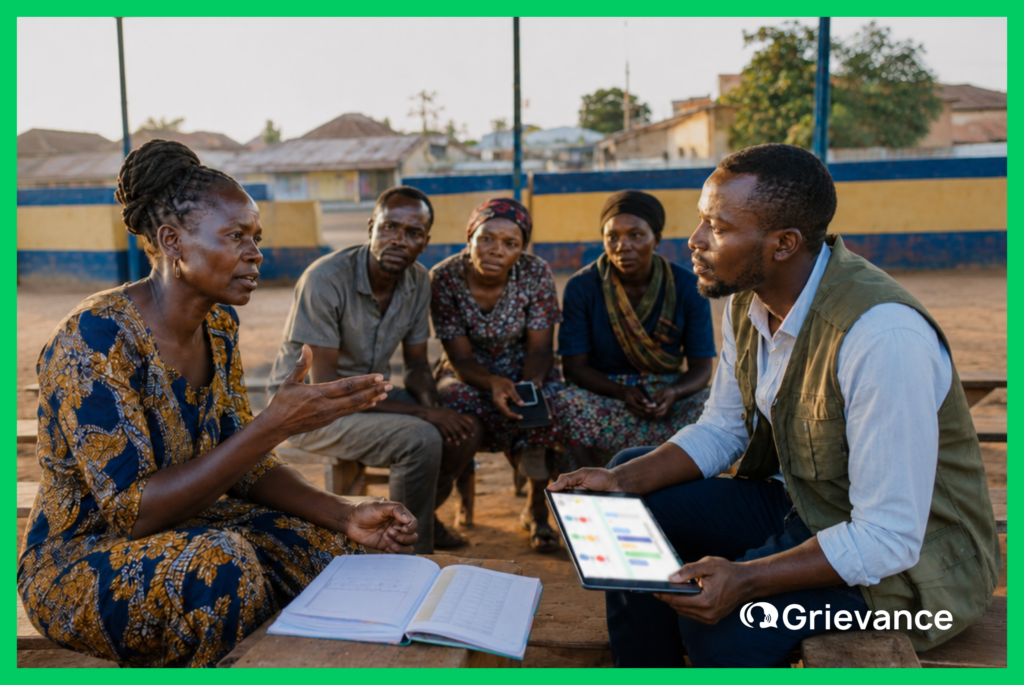
Effective Handling of Stakeholder Grievances
In large projects and organizations, stakeholders, from community members and NGOs to government agencies, often have questions, suggestions, criticisms, or even formal complaints. Ignoring this feedback can erode trust and fuel conflict. Effective handling of stakeholder grievances ensures that concerns are heard, addressed promptly, and resolved transparently. It builds accountability, mitigates risks, and turns criticisms into opportunities for improvement.
The World Bank notes that a robust grievance mechanism should allow not only complaints but also queries, suggestions, and positive feedback from affected parties to be submitted and answered on time. By treating every suggestion or grievance as valuable input, organizations can demonstrate responsiveness and maintain strong relationships with all parties. As the IFC emphasizes, a grievance mechanism is “an important pillar of the stakeholder engagement process,” creating opportunities for companies and communities to identify problems and discover solutions together.
Stakeholders, whether citizens, donors, or partners, need reassurance that their voices matter. A transparent, accessible feedback system shows commitment to listening. When stakeholders see their issues tracked, investigated, and taken seriously, confidence grows. IFC guidance explains that a well-managed grievance process, combined with open communication, can increase trust and improve communication between the company and the community. In other words, how grievances, suggestions, and criticisms are handled directly affects trust and long-term engagement. Below, we outline key principles and steps for managing stakeholder feedback effectively, ensuring every party feels heard and involved.
Quick Definition
A grievance mechanism is a structured process that allows stakeholders, community members, employees, and project-affected people to submit complaints, questions, suggestions, or positive feedback and receive a timely, documented response. It is a core component of stakeholder engagement under frameworks like World Bank ESS10 and IFC Performance Standards.
Understanding Stakeholder Concerns: Grievances, Suggestions, and Criticisms
Three types of feedback your mechanism must capture
Stakeholder feedback comes in various forms. A good grievance mechanism treats all these inputs seriously. The World Bank defines a grievance mechanism broadly, noting it should allow queries, suggestions, positive feedback, and complaints related to a project’s issues to be submitted and addressed. This inclusive approach encourages stakeholders to speak up, knowing even small suggestions will be considered.
Feedback Type
Formal objections to a project’s impact or to service delivery. These may concern environmental harms, social issues, or rights violations.
Feedback Type
Ideas for improvement or praise for what is working well. Stakeholders often use the same channels to convey not only problems but also suggestions or compliments.
Feedback Type
Informal or ad hoc comments that may indicate emerging concerns or misunderstandings. These early signals, if captured, can prevent larger grievances from forming.
Key practices for recognizing stakeholder feedback include soliciting input through regular consultations and surveys, providing multiple channels (hotline, email, mobile app, in-person desks) for people to voice concerns or ideas, and publicizing these channels widely in community languages.
By actively inviting feedback and even anonymous submissions, organizations show they welcome all voices. Clear categorization of inputs (e.g., by topic, department, or urgency) ensures that grievances, suggestions, and criticisms are routed to the right teams. This systematic approach prevents issues from falling through the cracks and helps in identifying the root causes of recurring concerns.
Core Principles of an Effective Grievance Process
Four pillars stakeholders expect from your mechanism
An effective grievance management process is guided by clear principles that stakeholders expect. These principles help turn a grievance process from a rigid complaint box into a dynamic engagement platform.
Stakeholders often provide useful suggestions alongside complaints. IFC found that communities may use grievance channels to communicate what they think the company is doing well, not just problems. Acknowledging positive input and suggestions motivates stakeholders to stay involved.
Need a grievance mechanism that captures complaints, suggestions, and questions across every channel, with full audit trails and automated routing? Grievance App gives your team multichannel intake, real-time tracking, and stakeholder notifications out of the box.
Key Steps for Effective Handling of Stakeholder Grievances
A seven-step framework from intake to continuous improvement
To manage feedback efficiently, organizations should follow a structured process. The steps below form a good practice framework:
Implementing these steps with discipline creates a predictable and professional response. It also provides data for continuous improvement. As one IFC case study noted, regular satisfaction surveys and reviews of the grievance log can reveal systemic deficiencies to fix proactively.
Involve senior management. Assign clear roles — for example, a grievance coordinator or committee — and make leadership accountable for resolution. Adequate resources (staff, budget, technology) must be allocated. IFC guidance stresses that effectiveness requires clear responsibilities and sufficient resources dedicated to the process.
Tools and Technology for Grievance Management
Six capabilities that define a modern digital GRM platform
Modern digital platforms can greatly enhance the efficiency of stakeholder feedback processes. A centralized grievance management system, such as Grievance App, typically offers these features:
Capability
Accept submissions via web forms, mobile apps, SMS, email, and social media. Many solutions also integrate hotlines and physical kiosks. This ensures stakeholders can choose the most convenient channel.
Capability
Every submission is timestamped and logged. Automated alerts (email/SMS) keep stakeholders and case managers updated on status changes. Escalation rules can notify higher management if deadlines pass.
Capability
Interfaces available in local languages, and features like text-to-speech or high-contrast modes, make the system inclusive. Anonymity options protect vulnerable complainants.
Capability
Tags, categories, and priority levels help staff filter and merge related cases, ensuring efficient handling of multiple similar issues.
Capability
Cases can be routed to different departments or specialists. Internal notes and document attachments centralize all information. Some platforms use AI-assisted resolution suggestions based on past cases.
Capability
Real-time indicators (e.g., number of open cases, average response time) allow management to track the mechanism’s performance at a glance. Visual reports help identify backlogs or bottlenecks.
By digitalizing the grievance process, organizations gain transparency and speed. IFC notes that unanswered questions or ignored feedback “have the potential to become problems” and should be handled through the company’s engagement pillars. A tool that logs every concern prevents omissions. Moreover, digital logs become evidence of accountability for auditors and donors. They can demonstrate that each grievance was treated according to a documented policy — often a requirement of funding institutions.
In practice, a specialized app also empowers communities. They can log issues at any time and later check the status of their reports. This closes the loop and strengthens trust: stakeholders see that issues are not forgotten. Reporting tools that enable the public to monitor complaint resolution have been shown to improve perceived transparency and satisfaction. In short, technology makes effective handling of stakeholder grievances more reliable and scalable — a key advantage for large projects spanning many regions.
In Summary — Key Takeaways
Grievance handling is a strategic asset, not a bureaucratic obligation
For Program Directors, Safeguards Officers & M&E Teams
Turn stakeholder feedback into accountability you can demonstrate.
Grievance App gives your team multichannel intake, automated case routing, real-time dashboards, and full audit trails, so every grievance, suggestion, and question gets tracked, resolved, and documented.
Frequently Asked Questions
Answers to common questions about handling stakeholder grievances, suggestions, and criticisms effectively.
How can organizations ensure effective handling of stakeholder grievances? +
By setting up a clear grievance mechanism based on accessibility and transparency. This means multiple submission channels, prompt acknowledgments, and routine updates to stakeholders. Training staff and defining clear procedures (e.g., logging, routing, and resolution timelines) is crucial. It’s also important to review trends from the grievance log to continuously improve processes.
Why is addressing stakeholder grievances important? +
Addressing feedback is fundamental to accountability and trust. The IFC notes that grievance mechanisms are a core part of community engagement; they help identify problems early and encourage collaboration. When stakeholders see that concerns are taken seriously, organizational credibility and social license improve. Conversely, ignoring grievances can lead to reputational damage and conflict escalation.
How can we incorporate stakeholder suggestions and criticisms into our project? +
Treat every input as constructive. Use your grievance channels to log not just complaints but ideas and positive feedback too. IFC guidance observes that communities often use feedback channels to convey suggestions. Analyze suggestions for feasible changes, and communicate back how input was used (or why it couldn’t be); this “closing the loop” builds trust. Even if every demand can’t be met, acknowledging input and explaining constraints reinforces good faith.
What tools can support effective handling of stakeholder feedback? +
Digital grievance management platforms (like Grievance App) can streamline the process. They allow multi-channel intake (web, mobile), automated tracking, and performance dashboards. Such tools ensure no feedback is lost and make it easy to analyze patterns in complaints or suggestions. Donor agencies and governments increasingly expect these systems: for example, new EU due diligence laws require companies to provide grievance mechanisms and accessible remedies. Using a specialized tool helps meet those standards while improving operational efficiency.
How do we build trust when dealing with stakeholder complaints? +
Trust is built by showing stakeholders that you are listening and acting. That means timely, empathetic responses to their concerns and visible results. “Closing the loop” on feedback is key: reporting back when issues are resolved or integrated into project decisions. Transparency about the process (even publishing regular summaries of handled cases) and involving stakeholders in solution discussions also demonstrates good faith. Consistent and respectful grievance handling fosters lasting confidence in your organization’s commitment to accountability.