
How Digital Grievance Redress Mechanisms Enhance Community Participation and Engagement
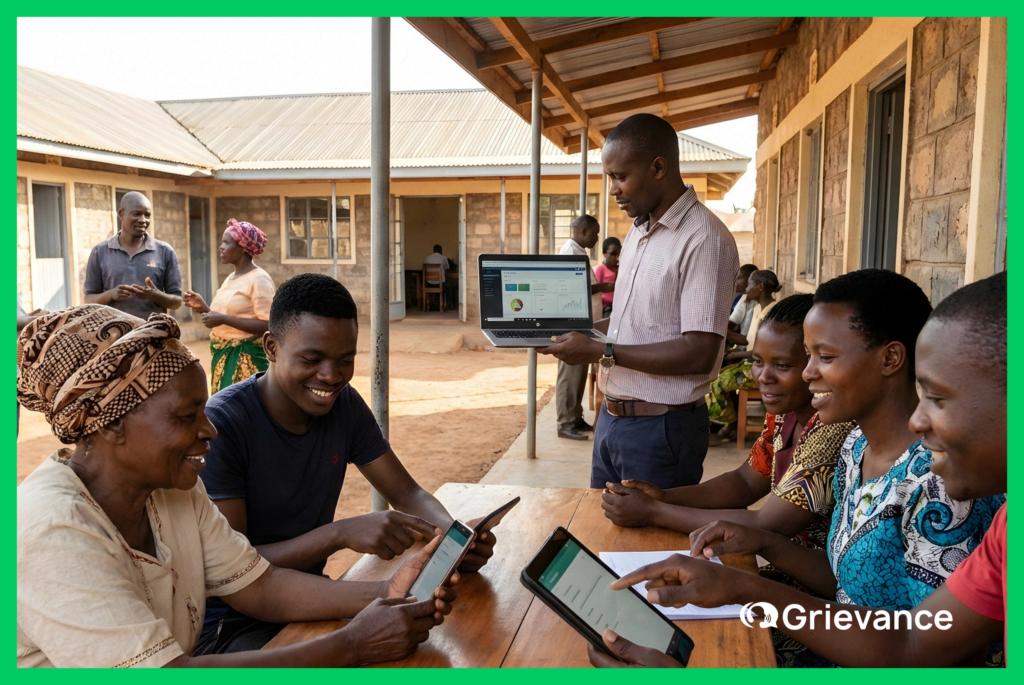
In many development and infrastructure projects, community participation in grievance redress mechanisms (GRMs) is essential but often lacking. Affected communities may not know complaint channels exist, or they distrust slow, opaque processes. This means grievances go unreported, and tensions can build. Digital GRMs offer a game-changing solution: they use mobile apps, web forms, SMS, and other tech to make it easy for citizens to submit feedback and track outcomes. By streamlining complaint handling, providing real-time updates, and ensuring anonymity, these platforms break down barriers. Ultimately, digital GRMs bring the grievance process to people’s fingertips, empowering stakeholders and strengthening trust in projects.
This article explores how online grievance platforms foster greater community participation in GRMs, improving transparency, responsiveness, and project outcomes (for example, Grievance.app’s solution illustrates many of these benefits).
The Value of Community Participation in GRMs
Active community input is critical for accountable projects. When citizens participate, problems are identified early, and solutions can be co-designed with stakeholders. Digital GRMs amplify this participation in several ways:
- Continuous feedback loops: Citizens can report issues at any time via a mobile app or hotline, and receive updates. This rapid cycle of feedback and response encourages ongoing engagement. Studies show that quick acknowledgements and visible case tracking make people more likely to complain again.
- Transparency and trust: Online systems often include dashboards or status pages so the community sees case progress. Knowing that a project leader endorses and monitors the GRM builds credibility. When communities see that complaints lead to real action, participation grows.
- Empowerment: Digital GRMs give marginalized groups a voice. By offering anonymous reporting and local-language support, even vulnerable citizens can speak up without fear. When users know the mechanism is safe and inclusive, they feel empowered to engage.
- Data-driven improvements: Platforms collect data on grievances (types, locations, frequency). Project teams can use this intelligence to address systemic issues, which in turn demonstrates responsiveness to the community’s concerns. This feedback-informed approach reinforces that the GRM is built for the people.
In short, digital GRMs turn a reactive complaint channel into a two-way engagement tool. By reducing delays and showing visible results, they foster a culture of accountability and cooperation between implementers and citizens.
Inclusive Channels for Community Participation in GRMs
Even a well-publicized GRM will see low use if channels are hard to access. Digital platforms are omnichannel, allowing people to complain in whatever way suits them. For example:
- Multiple submission methods: Web forms, mobile apps, SMS, toll-free numbers, and community kiosks all feed into one unified system. Anyone with a feature phone can text or call, while others can use an app or website.
- Local language and accessibility: Forms and hotlines support dozens of languages. For instance, Grievance.app offers forms in 100+ languages (French, Swahili, Hausa, etc.). Allowing complaints in a user’s native tongue removes barriers and builds trust. Screen readers, high-contrast modes, and offline SMS options further ensure inclusivity.
- Anonymous reporting: Fear of retaliation often silences people. By enabling anonymous submissions, digital GRMs encourage those hesitant to come forward. This safe channel gives marginalised groups confidence to voice concerns.
- Community touchpoints: Devices like mobile complaint desks or tablets at local clinics connect non-digital communities. Partnerships with NGOs and local leaders help, too: trained volunteers can collect grievances on behalf of others.
By making the system approachable and culturally relevant, organisations ensure no voice is left unheard. A multi-channel, multilingual GRM demonstrates to communities that the mechanism is for them, driving higher uptake and richer participation.
Building Trust with Transparency and Feedback
Trust is the cornerstone of engagement. Digital GRMs strengthen trust through transparency and timely responses. Key practices include:
- Real-time tracking and updates: When users submit a grievance, they get immediate acknowledgement and can track progress via SMS or dashboards. Seeing a ticket number and deadlines makes the process tangible. Publicly sharing anonymised case studies or statistics demonstrates that the system is working and is worth using again.
- Clear resolution timelines: Systems enforce response deadlines. If a case is delayed, the platform triggers reminders or escalations to keep staff accountable. This shows commitment and reduces frustration.
- Leadership visibility: Project managers and officials endorsing the GRM (e.g. appearing at grievance “fairs” or communiqués) signal that complaints are taken seriously. Communities learn that reporting problems won’t be ignored.
- Ongoing feedback loops: After resolution, digital GRMs often ask complainants for satisfaction feedback. This loop lets citizens see that their opinion matters and helps improve the process.
By design, online systems can log every step and publish outcome summaries, which boosts credibility. As one analysis notes, “transparency of feedback to all stakeholders… can help avoid suppression of negative information and signal commitment”. In practice, communities trust a grievance system when they see real issues being addressed openly, leading to sustained participation.
Key Features of Digital GRM Platforms
Modern GRM software is packed with features that drive engagement and efficiency. When these tools are employed, community participation naturally rises. Notable features include:
- Multi-language, Mobile-Friendly Interface: Platforms like Grievance.app ensure the user experience works on any device and in any language. This globalised design means a rural citizen can use a smartphone app in their dialect, while an office worker logs online via the web portal.
- Anonymous and Tailored Reporting: Grievance forms can be fully anonymous, encouraging honest input. Administrators can also customise form fields and templates to capture local needs. By adapting to context (e.g. adding relevant categories), the tool feels more intuitive to users.
- Real-Time Monitoring Dashboards: Staff have live dashboards showing case status and metrics. Communities likewise benefit: some systems allow public dashboards or alerts. Real-time visibility transforms the GRM into an interactive service rather than a black box.
- Automated Routing and Reminders: AI and workflow automation quickly direct each complaint to the right department. Automatic time-stamping and SMS/email notifications keep users and managers updated. These efficiencies mean fewer cases slip through, translating to higher resolution rates (often 99%+ for urgent issues).
- Data & Analytics: The ability to tag and filter grievances lets implementers identify systemic problems. Reporting tools help track stakeholder trends. For communities, seeing that their feedback leads to data-driven improvements is powerful engagement.
- Security and Compliance: Role-based access control and audit logs protect sensitive data. Citizens can trust that the system is secure and fair. This technical assurance, coupled with features like guaranteed SLA compliance, aligns with donor standards.
By leveraging these capabilities, in essence, “democratising” the grievance process, digital GRMs create a smoother user experience that encourages active participation. Organisations that adopt such platforms often report being able to support any sector or scale effectively, with the same features that succeeded in other contexts.
Case Studies: Proven Impact on Community Engagement
Real-world examples illustrate the power of digital GRMs. In several African projects, transitioning from manual to online grievance systems has dramatically boosted community engagement:
- digital GRM (web, mobile, SMS, toll-free line) under World Bank projects. Every complaint is logged and tracked with timestamps. The results: customer satisfaction soared and resolution times plummeted. Communities could see progress via a public dashboard, building trust that “every case was addressed promptly”. Critically, resolution rates for priority cases jumped above 99%.
- Urban Project (RUSLP, Sierra Leone): City residents report issues via a mobile app and hotline. By training local staff and integrating the GRM, the government achieved more efficient urban service delivery. Responses to complaints became faster and well-organised. Most importantly, transparent communication reduced tensions: citizens realised their voice led to real fixes.
- ECOWAS Regional Authority (West Africa): A web-based GRM now handles competition complaints across member states. After launch, stakeholder submissions spiked – more businesses and consumers filed cases because the process was easy. Faster resolution and case tracking bolstered confidence in consumer protection efforts. The transparent system even led to quick action on price-fixing complaints, sending a clear message against anti-competitive behaviour.
- WAEMU Court of Justice (West Africa): A new Complaint Management System streamlined legal grievances. Citizens across Benin, Senegal, Mali, etc., can lodge complaints online. Efficiency improved sharply (backlogs shrank), and parties can track their cases. Most importantly, access to justice has increased; all member states now have a unified grievance portal.
Across these cases, digital GRMs delivered extraordinary outcomes: resolution rates of 99%+, quicker fixes, and revitalised community trust. Reportedly, stakeholders were more engaged in project planning and oversight when they knew their feedback would be heard. The lesson is clear: when grievance channels work, and communities see results, participation naturally follows.
Best Practices for Encouraging Participation
To reap these benefits, organisations must implement GRMs thoughtfully. Some proven strategies are:
- Awareness Campaigns: Communities need to know the GRM exists. Run outreach using local media (radio, TV), social media, and community events. Posters and dramas in native languages help low-literacy audiences. Train local leaders, teachers, or health workers as grievance liaisons; their endorsement lends legitimacy.
- Multiple Access Points: Provide several ways to complain, as noted above. The IRM stresses user-friendly design: complaints should be injectable via website, email, messaging apps or call centres. Ensuring anonymity and confidentiality is critical to overcome fear.
- Partner with Communities: Leverage NGOs and local volunteers as bridge figures. For example, set up mobile complaint booths during market days or health clinic hours. These trusted intermediaries can help citizens file reports. Over time, community committees can even co-manage local grievance tracking.
- Showcase Success: Publicise resolved cases as stories. Use community forums or social channels to share how grievances led to road repairs or restored services. Each success story reassures people that their voice matters.
- Solicit Feedback on the GRM: Ask users about the process itself and incorporate suggestions. This continuous improvement loop, advocated by experts, reinforces that the mechanism listens.
- Leadership Endorsement: Ensure senior project leaders communicate support for the GRM. Their visible involvement (even symbolic) signals commitment to address complaints.
By combining these tactics with a robust platform, projects create a culture of participation. As one IRM webinar concluded, prioritising proactive outreach, user-friendly design and confidentiality ensures communities have the knowledge, trust and means to engage. When people believe the system is for them, uptake grows, and grievances turn into constructive dialogue.
Conclusion
Digital grievance redress mechanisms are a powerful tool to unlock community participation in development. By offering inclusive, transparent channels and real-time feedback, they transform once-ignored complaints into actionable insights. When implemented with care (awareness campaigns, local partnerships, etc.), digital GRMs build trust and ensure stakeholders feel heard. This leads to quicker resolutions, fewer conflicts, and ultimately better project outcomes.
For government agencies, NGOs, donors or any organisation managing community impacts, adopting a proven platform like Grievance.app can make the difference. These solutions provide multilingual support, analytics dashboards, secure audit trails and user-friendly interfaces that communities appreciate.
Ready to see how it works? Request your free demo of Grievance.app today and start turning community feedback into positive action.
FAQ
Q: What is community participation in grievance redress mechanisms (GRMs)?
A: Community participation means involving affected people in the process of reporting and resolving project complaints. An effective GRM lets citizens easily submit issues (via phone, app, etc.), track their case status, and see outcomes. High community participation is achieved when the mechanism is well-publicised, accessible (even to marginalised groups), and trustworthy. In practice, it ensures local voices help shape project accountability.
Q: How do digital GRMs improve stakeholder engagement?
A: Digital platforms boost engagement by streamlining the feedback loop. Citizens can lodge grievances anytime in their language and get instant confirmation. Real-time updates and public dashboards keep them informed. Speedy, visible responses build confidence that leaders care. External analyses confirm that rapid, tech-enabled feedback encourages repeat use and empowers people to monitor service quality.
Q: What features should an online grievance system have to drive community use?
A: Key features include multichannel intake (web, SMS, call centres, apps), anonymous reporting, and multilingual interfaces. Automated notifications and escalation rules ensure no complaint is lost. Crucially, a good system offers transparency, complainants see their ticket progress, and mobile access, so even those without computers can participate. Analytics tools also let communities see aggregate results, further encouraging trust in the process.
Q: Why is transparency important for community participation?
A: Transparency ensures that filing a complaint leads to visible action. When people see that grievances result in concrete changes (like repairs or policy fixes), trust grows, and more citizens will engage. Transparent systems provide status tracking, public outcome reports, and leader endorsements. According to research, open feedback and shared resolution timelines discourage ignoring issues and signal that authorities value citizen input.
Q: How can organisations encourage communities to use GRMs?
A: They should raise awareness through local outreach (community meetings, radio, social media) and train community liaisons or NGOs to spread the word. Offering the GRM in local dialects and via familiar channels (e.g. WhatsApp, SMS) lowers barriers. Guaranteeing anonymity and following up visibly on issues addresses fear and apathy. In summary, combining proactive outreach with user-friendly digital tools ensures communities feel safe and motivated to participate.