
Key Features of a Modern Grievance Redress Mechanism Platform
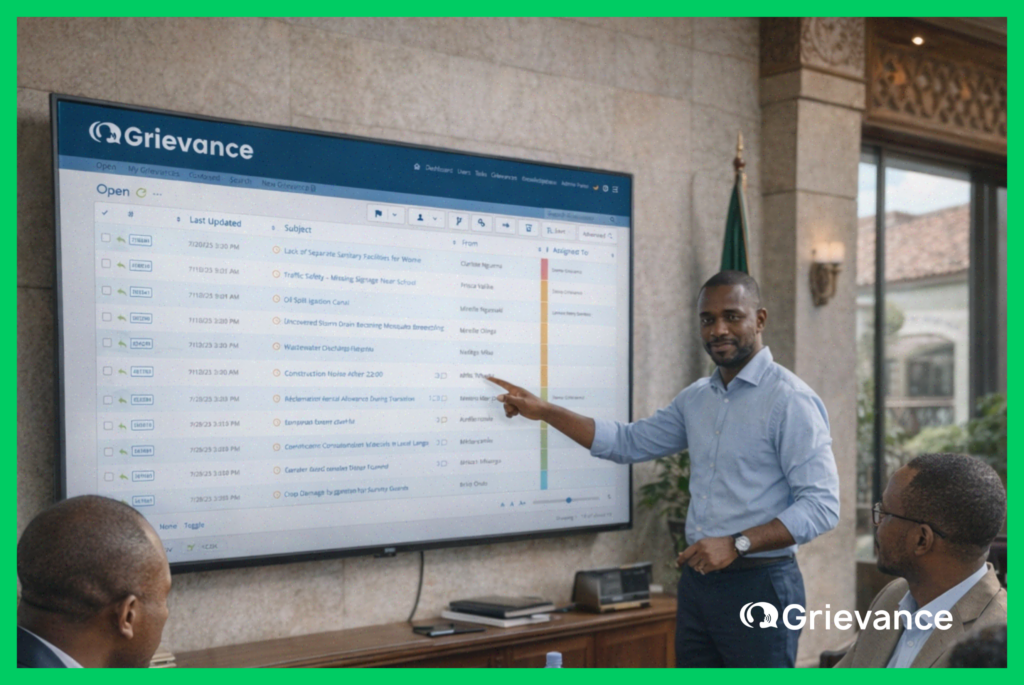
Managing stakeholder complaints effectively is now a strategic imperative for donors and organizations. A Grievance Redress Mechanism platform must be accessible, transparent, and efficient, otherwise issues escalate into crises. Modern digital GRM solutions address these needs by offering a rich feature set for complaint intake, tracking, and resolution. Today’s donors (World Bank, UN, EU, etc.) even require such systems in funded projects. In practice, a modern GRM platform combines multi-channel complaint submission (web, mobile, SMS, call centers) with real-time case tracking, automated workflows, and data-driven dashboards.
Together, these tools ensure every grievance is logged, routed, and resolved rapidly, bolstering accountability and trust. This article examines the must-have features of a next-generation grievance platform, from intake to analytics, that empower donors and implementers to handle cases transparently and efficiently.
Submitting a grievance shouldn’t be a headache for affected communities. Modern platforms allow anonymous, multilingual intake across all major channels, all with user-friendly forms. Complainants can submit issues via a web portal or mobile app (even offline or SMS), often without registering personal details, encouraging more feedback. Customizable online forms let organisations tailor fields to each project. All submissions are timestamped automatically, creating a clear audit trail.
Key multi-channel intake features include:
- Anonymous & Secure Submission: Supports safe complaint entry via web, mobile, SMS, or helpline, with identity protection to build trust.
- Customizable Forms: Predefined templates or custom fields capture exactly the information needed, reducing user effort and errors.
- Instant Confirmation: Complainants receive immediate acknowledgements (email/SMS), assuring them their case is logged.
- 24/7 Accessibility: Cloud-based platform available anytime on any device – critical for remote or emergency contexts.
- API Integration: Seamlessly accepts grievances from partner systems (e.g., national hotlines or HR platforms) via a robust submission API.
Such an intake system matches the World Bank’s principle that a GRM “offers an accessible point for complaints” through multiple channels. By lowering barriers (language options, voice-to-text, simple UI), a digital GRM amplifies even marginalized voices and meets donor standards for inclusive engagement.
Real-Time Case Tracking and Notifications
Once complaints are logged, a modern GRM provides full visibility into each case’s progress. Stakeholders and managers can view live status updates, helping everyone stay aligned. For example, an intuitive dashboard shows open cases, assignees, and deadlines at a glance. Automated alerts (email, SMS or in-app) notify complainants and staff when a case is updated or resolved. To guarantee accountability, the system automatically timestamps every action (note updates, communications, escalations), creating a transparent audit trail.
Key tracking features include:
- Live Status Updates: Monitor each grievance from start to finish. Any progress or response is shown in real time, so stakeholders know where their case stands.
- Comprehensive Case History: Every comment, action, or change is logged with date/time. This detailed log aids audits and prevents “lost” complaints.
- Proactive Notifications: Automatic reminders and alerts (e.g. “Your case is assigned” or “Case resolved”) keep both users and staff informed and engaged.
- Priority Tagging and Search: Cases can be tagged (by category, severity, region, etc.) for quick filtering. A powerful search lets managers retrieve any grievance record instantly.
- Escalation Paths: The system flags overdue cases and routes them to higher-level managers according to predefined rules, ensuring no critical issue falls through the cracks.
These real-time tracking tools turn a GRM into an early warning system. As one platform notes, a digital GRM “logs grievances instantly” and then “stays updated with real-time alerts on case status, changes, and resolutions”. This level of responsiveness is impossible in paper-based systems, and it significantly reduces response times and user frustration.
Smart Routing, Prioritization and Automation
Efficiency also comes from automating routine workflows. A modern GRM platform employs intelligent case routing and standardised processes so teams can focus on resolution, not paperwork. For example, new complaints are automatically assigned to the right unit based on keywords or project criteria, speeding response. Standardised resolution templates and auto-replies can be used for common issues, ensuring consistent answers and saving time.
Other workflow features include:
- Configurable Workflows: Define custom case states and fields to match your organisation’s process. For example, set up approval tiers or specific investigation steps.
- Escalation Rules: Pre-set timeframes trigger alerts or reassignments. If an issue isn’t solved by the deadline, it automatically escalates to senior staff.
- Bulk Case Actions: Handle multiple grievances in one go (e.g. close resolved cases or reassign a batch), greatly reducing administrative burden.
- Intelligent Suggestions (AI): Advanced systems use historical data to suggest likely remedies or departmental assignments for new cases.
This automation ensures that every grievance gets swift attention according to its priority. As one analysis highlights, “digital GRM software automates and streamlines the workflow… If a case isn’t resolved within a set timeframe, the system escalates it”. The result is faster turnaround and fewer manual errors.
Analytics and Insightful Dashboards
Data-driven oversight is a hallmark of modern GRMs. Built-in dashboards and reports let managers track performance and spot trends. For example, dashboards might display total open cases, average resolution time, and breakdowns by category or location.
Key analytics capabilities include:
- Real-Time Performance Metrics: KPIs such as response rate, case age, and satisfaction scores (if used) are updated live.
- Trend Analysis: Charts show how grievances by topic or region change over time, helping teams identify systemic issues.
- Custom Reports: Exportable logs and compliance reports (e.g. to demonstrate ESG adherence) can be generated on demand.
- Heatmaps or Geolocation: Some platforms map complaint density or flag hotspots where many grievances originate.
- Role-Based Dashboards: Administrators and project leads see summaries relevant to their scope (e.g. all department cases), while community liaisons might see only their assigned cases.
These analytical features turn a GRM into a strategic tool. As one World Bank analysis notes, digital GRMs “provide dashboards and analytics that reveal trends,” enabling proactive fixes before issues escalate. In practice, this means donors and managers can ensure compliance (e.g. meeting World Bank ESS10 grievance criteria) and continuously improve project implementation. By centralising data, a modern platform makes it easy to demonstrate accountability with charts and exportable logs to auditors.
Security, Privacy and Compliance Controls
Protecting complainant data is non-negotiable. A state-of-the-art GRM platform enforces enterprise-grade security and auditability.
Features in this category typically include:
- Role-Based Access Control (RBAC): Each user has permissions based on their role (administrator, investigator, community liaison, etc.), limiting access to sensitive complaint details.
- Data Encryption: All data (in transit and at rest) is encrypted to industry standards. This helps comply with GDPR and other privacy laws while safeguarding identities.
- Full Audit Trails: Every action by any user is logged, so any change can be traced back to an individual and a timestamp (essential for donor and legal audits).
- Threat Detection: Advanced tools monitor for unauthorised access or suspicious patterns in real time.
- Compliance Features: Out-of-the-box compliance with common frameworks (e.g. World Bank ESS10, IFC standards, local regulations). The platform can include built-in checks (for instance, mandatory fields or timelines) to ensure processes meet donor guidelines.
Security is crucial because donors and governments demand it. As one analysis explains, modern grievance software “comes with enterprise-grade security, encryption, role-based access controls… reducing the risk of data breaches”. This reassures complainants that even if a complaint is anonymous, the process is professionally managed. It also means project teams can safely collect sensitive feedback (including complaints about sexual harassment or ethics violations) without fear of exposing identities.
Customisation, Accessibility and Support
Finally, a competitive GRM platform must fit the context of each project and user group.
Customisation and support features often include:
- Multilingual Interface: The user interface and forms should support all relevant languages, making the system inclusive.
- Assistive Options: Features such as text-to-speech, high-contrast mode, or mobile app accessibility ensure usability for people with disabilities.
- Branded Experience: Organisations can apply their own logos, colour schemes, and custom fields so the platform feels like an internal tool.
- Flexible Integrations: Easy APIs or connectors let you link the GRM to other systems (HR databases, project management tools, SMS gateways, etc.) without custom development.
- Training & Resources: Quality help documentation, online tutorials, and support services (perhaps even embedded in the platform) help staff and communities use the GRM effectively.
These personalisation features maximise adoption. For example, allowing users to submit in their native language (and providing admin tools in the local tongue) encourages higher uptake. Meanwhile, integrating with existing systems means data can flow automatically into reports (reducing duplicate work). Ultimately, a modern platform acts like an extension of the organisation, not a burdensome add-on.
Conclusion: Empowering Accountability Through Technology
In summary, key features of a modern Grievance Redress Mechanism platform include seamless multi-channel intake, live case tracking, smart workflow automation, insightful dashboards, and robust security. These features together transform complaints from unresolved hassles into structured, transparent processes. For donors and government agencies, investing in such a platform isn’t optional; it’s essential for compliance and trust.
If you manage a donor-funded or public project, consider how these capabilities can reinforce your accountability. A solution like Grievance App, for example, packages all of the above features in one product. By adopting a complete digital GRM, organisations reduce conflict risk, improve stakeholder trust, and ensure every complaint is addressed efficiently. Ready to see the platform in action? Request your free demo of Grievance App today to experience how these features work in practice and turn grievances into performance drivers.
FAQs
What are the essential features of a Grievance Redress Mechanism platform?
A modern GRM platform should include multi-channel case intake, secure anonymous submissions, real-time case tracking, automated routing and escalation, and dashboards/analytics. These features ensure transparency and efficiency in complaint management.
How does real-time case tracking improve grievance handling?
Real-time tracking gives both complainants and managers instant visibility into each case’s status. Automated updates and notifications mean no case is overlooked. This accelerates resolutions and builds trust because stakeholders see timely progress and responses.
Why are dashboards and analytics important in a GRM platform?
Dashboards turn raw data into insights. They display key metrics (like pending cases, response times, and trends) at a glance. With analytics, project teams can identify systemic issues early (for example, many complaints about one contractor) and report performance to donors.
Can a digital GRM handle anonymous and multilingual submissions?
Yes. Modern platforms support anonymous entry and multiple languages to widen access. This inclusivity helps organisations meet international standards (e.g. World Bank ESS10) and ensures all community members can raise concerns safely.