
From Paper to Platform: How Grievance App Transforms Stakeholder Complaint Management
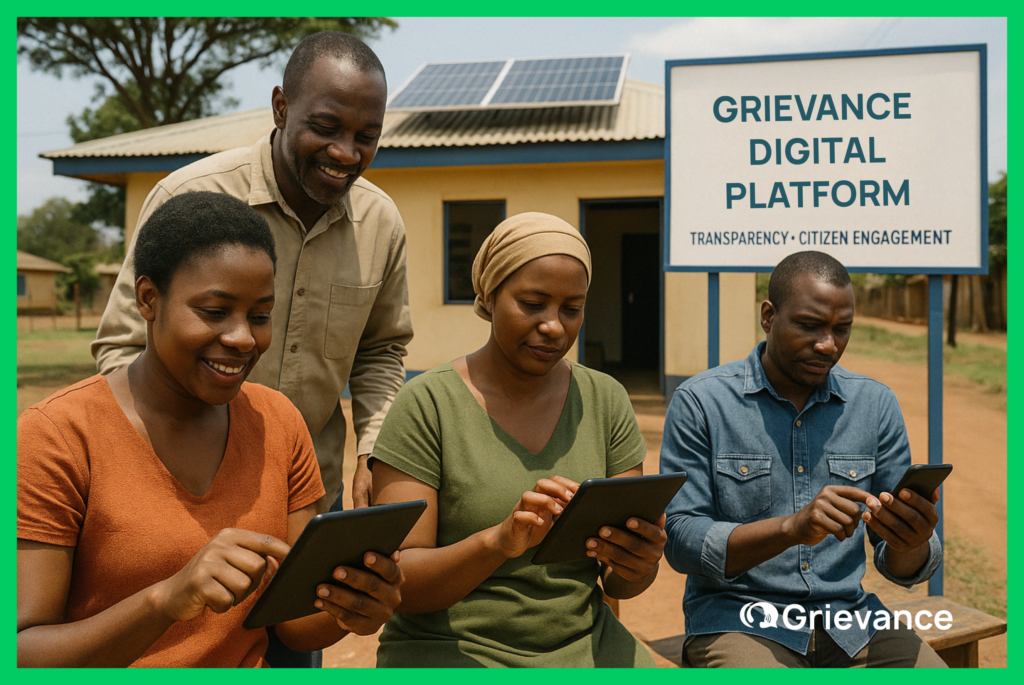
In an era where transparency and accountability are paramount, relying on paper-based grievance logs and suggestion boxes is no longer sufficient. Communities and stakeholders today demand swift, visible action on their complaints, not just forms that vanish into filing cabinets. Unfortunately, traditional manual processes are often slow and opaque, with issues slipping through the cracks and going unresolved. This lack of a reliable system can erode public trust and derail even the best-intentioned projects. By contrast, an effective grievance redress mechanism (GRM) shows stakeholders that their voices matter.
Grievance App offers a powerful solution by moving complaint management from paper to a platform. It is an innovative complaint tracking system that digitizes the entire grievance process, from intake to resolution, transforming how organizations handle stakeholder feedback. With Grievance App, every concern is recorded, tracked in real time, and resolved transparently. The result is a faster, fairer, and more transparent approach to stakeholder complaint management that builds trust and improves governance.
The Pitfalls of Paper: Why Traditional Complaint Handling Falls Short
Organizations that rely on paper forms, ledger entries, or ad-hoc emails to handle complaints face significant challenges. Some key shortcomings of a paper-based grievance process include:
- Slow response times: Physical forms and manual routing cause delays in acknowledging and addressing complaints. Urgent issues may languish for weeks before reaching the right person.
- Lack of transparency: Stakeholders have no easy way to check the status of their complaint in a paper system. Submissions often disappear into a “black box,” leaving people wondering if anything is being done.
- Limited accessibility: Manual processes typically require in-person submissions or phone calls during office hours. This excludes community members who are remote, busy, or uncomfortable with face-to-face reporting, reducing overall feedback.
- Poor record-keeping & lack of insights: Paper files are easily lost or misfiled, and there is no centralized database to spot recurring issues. This means organizations cannot analyze complaint trends or extract lessons to improve services or prevent future conflicts.
In short, paper-based methods make grievance handling inefficient and opaque. Complainants might feel ignored as their issues get “lost in the pile” due to the lack of a transparent tracking mechanism. Moreover, when grievances go unaddressed or are severely delayed, it undermines stakeholder confidence. One expert observed that unaddressed grievances will eventually cause “trust to evaporate and project impacts to suffer”. Clearly, a new approach is needed to manage complaints more effectively.
Enter the Digital Era: How a Complaint Tracking System Changes Everything
Moving from a manual process to a digital complaint tracking system is a game-changer for organisations. A modern online grievance redress platform eliminates the bottlenecks of paper and introduces speed, visibility, and accountability at every step. Here’s how digital transformation improves complaint management:
- Immediate intake and acknowledgement: Digital GRMs enable stakeholders to submit issues in real-time via multiple channels (web, mobile, SMS), and each complaint is automatically timestamped with an acknowledgement to the user.
- Real-time tracking and updates: Users can monitor their complaint’s progress on a central dashboard where staff also see the status in real time. Automated notifications keep everyone informed of updates or required actions.
- Structured workflow and faster resolution: Complaints are auto-categorised by type or priority and immediately assigned to the right team. Built-in deadlines, reminders, and escalation rules ensure cases are resolved on time.
- Transparency and accountability: Every action on a case, from logging to resolution, is recorded and auditable. Managers can review each step, and stakeholders see their concerns addressed fairly. This provides “public proof” that no issue is being ignored, greatly reducing suspicion and rumours.
- Data-driven insights: With all grievances stored in one place, organisations can analyse patterns and spot systemic issues. In effect, the digital GRM acts as an early warning system, enabling proactive improvements.
Grievance App: Streamlining Complaint Management Through Digital Innovation
Grievance App is a turnkey solution that exemplifies the power of a digital GRM platform. Designed as a specialized stakeholder complaint tracking system, it streamlines every phase of grievance handling, submission, tracking, resolution, and reporting – in one user-friendly interface. Adopting Grievance App means replacing cumbersome manual steps with an integrated online workflow. Key features and capabilities include:
- Multi-channel intake: Stakeholders can submit complaints through various channels, web forms, mobile apps, SMS, or even offline kiosks, in multiple languages and anonymously if needed. Every submission is automatically timestamped for a complete audit trail.
- Real-time monitoring: Each case is tracked on a central dashboard, where staff see new complaints and status updates instantly. Automatic notifications and reminders ensure that no issue misses its response deadline.
- Automated workflow: Intelligent routing sends each complaint to the appropriate department based on its category or severity. Clear deadlines and escalation rules make sure that if an issue isn’t resolved on time, it’s flagged to higher management for prompt attention, enforcing accountability.
- Collaborative resolution: Multiple departments can coordinate on complex cases by sharing notes, files, and standardized response templates. The system even offers AI-driven suggestions based on past cases to help resolve issues faster.
- Security & compliance: Role-based access, data encryption, and audit logs keep information secure and confidential. Grievance App meets international standards for data protection and donor transparency, with every action logged for full accountability.
- Customization & integration: The platform is fully customizable; organizations can adapt the interface (branding, forms, categories) to their needs. Grievance App supports multiple languages and accessibility options (e.g., screen readers, high contrast mode) to include all users. It also integrates with other software via API (for example, linking the GRM to project management or CRM systems)
Related: Why a Digital Grievance Redress Mechanism is Essential for Modern Development Projects
Driving Transparency and Good Governance with Grievance App
One of the greatest advantages of moving from paper to a platform is the boost in transparency and governance. In a digital grievance system, every complaint and action is recorded, which makes oversight much easier. Supervisors and funders can monitor how many issues have been received, how quickly they are resolved, and whether proper procedures are followed, all through the platform’s reports. This level of transparency enforces good governance practices internally and demonstrates accountability to external stakeholders.
For governments and international agencies, such visibility is crucial. Many donors now mandate having an effective grievance mechanism in place for funded projects. For example, the World Bank’s Environmental and Social Standard 10 (ESS10) explicitly requires project implementers to establish “an accessible and inclusive” grievance mechanism for stakeholders. Similarly, the IFC’s Performance Standards call for companies to have a complaint process for affected communities. By deploying Grievance App, organizations can instantly meet these compliance requirements. The platform is built in line with international best practices for transparency, record-keeping, and data security.
Additionally, with every step time-stamped and auditable, a digital GRM leaves little room for mishandling complaints, enforcing accountability at all levels. Grievance App essentially provides a live demonstration of governance in action, since each case is handled in a fair, transparent manner that anyone (including auditors) can verify. Transparency has a direct impact on public trust. When people see an open channel where complaints are acknowledged and resolved, confidence in the institution grows. It also mitigates conflict risks; grievances addressed early and openly are far less likely to escalate into serious disputes or public criticism.
In contrast, secretive or paper-based processes often breed suspicion, as stakeholders are left in the dark. By illuminating the complaint handling process, Grievance App helps restore and maintain trust between project implementers and the community.
Empowering Stakeholders through a Citizen Feedback Platform
Beyond efficiency and compliance, a digital citizen feedback platform like Grievance App fundamentally changes the relationship with stakeholders. It sends a clear message: we are listening. Unlike impersonal drop boxes or bureaucratic paperwork, an interactive platform engages users directly. Citizens can voice their concerns or suggestions easily, at any time and from anywhere, and know they will get a response. This empowerment leads to greater community participation and buy-in for projects.
A key aspect of stakeholder empowerment is inclusivity. The platform’s multilingual and anonymous submission options ensure that even marginalized voices can be heard without fear of retribution. By lowering barriers to entry, the system dramatically increases the volume and diversity of feedback. In fact, organizations that actively invite and welcome feedback tend to receive more engagement from the public, creating a positive loop of communication. When the process is simple and accessible, people are encouraged to speak up rather than stay silent.
This open feedback culture means small problems are resolved before they escalate, and teams stay attuned to community sentiment. Stakeholders also see their input leading to action, which builds goodwill and a sense of shared ownership. In an age where public opinion can make or break a project, having an engaged citizen feedback platform is a strategic advantage.
Conclusion: Embrace the Future of Complaint Management with Grievance App
Grievance App shows that shifting from paper to platform can truly revolutionize how organizations handle complaints. Instead of stacks of paper and uncertain outcomes, a digital GRM enables faster issue resolution, stronger oversight, and communities that feel heard.
No matter the sector, government, NGO, or private, adopting a digital grievance system is now essential for success. It reduces risks, saves time, and builds a reservoir of trust that is invaluable for any project. Grievance App makes this transformation straightforward by providing a ready-to-use, robust platform for complaint tracking and resolution.
Don’t let critical feedback slip through the cracks or stakeholder trust erode due to outdated methods. Modernize your complaint handling now to gain efficiency, compliance, and public goodwill. Request your free demo of Grievance App today and discover how easily you can turn every complaint into an opportunity for improvement.
FAQ: Stakeholder Complaint Management & Digital GRMs
Q: Why use a digital complaint tracking system instead of paper forms or suggestion boxes?
A: Digital systems dramatically improve speed and transparency. With a digital platform, stakeholders get instant confirmation that their complaint is received and can monitor its progress, which isn’t possible with paper. Automated workflows prevent delays by routing issues to the right people and sending reminders. In short, a digital grievance redress mechanism ensures no complaint gets lost, whereas paper-based methods are often slow, inefficient, and prone to oversights.
Q: How do digital grievance platforms improve transparency and governance?
A: By creating a detailed, auditable record for every grievance, a digital platform makes the process transparent and accountable. Managers can ensure policies are followed, and outside stakeholders see a fair process, boosting trust. Such a system also helps meet donor requirements for open complaint channels and catches problems early before they escalate.
Q: What is a citizen feedback platform, and why is it important?
A: A citizen feedback platform is an interactive system that enables the public to give input, lodge complaints, or offer suggestions about projects and services. It’s important because it fosters two-way communication between an organization and the community. By using a citizen feedback platform like Grievance App, organizations show they value stakeholder opinions and are committed to transparency. This leads to greater public engagement, better services, and higher trust. In development projects, such platforms ensure that even vulnerable or remote community members can voice their concerns and be heard in the decision-making process.