
What Is a Government Grievance System? Ensuring Accountability & Citizen Trust
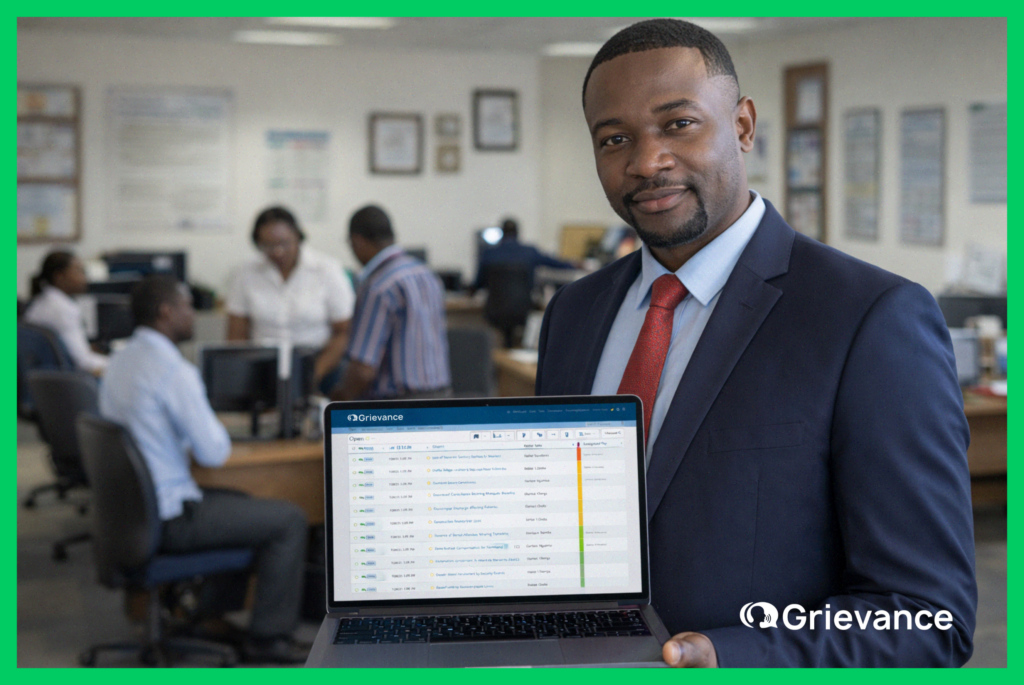
Government Grievance System
Public trust in government often hinges on how well citizen complaints are handled. When grievances go unanswered or ignored, it erodes the government’s credibility and fuels public frustration. In extreme cases, unresolved issues can even boil over into protests or social unrest. The solution is for governments to establish a formal government grievance system. Also known as a Grievance Redress Mechanism (GRM), this system provides a structured way for citizens to lodge complaints and get them resolved transparently. It acts as a bridge between citizens and the state, ensuring every concern is heard and addressed.
Many forward-thinking ministries and public agencies are moving from ad-hoc methods (scattered hotlines, suggestion boxes, manual logs) to centralised grievance platforms that bring consistency and oversight. A well-implemented government grievance system isn’t just bureaucratic red tape; it’s a cornerstone of good governance that demonstrates accountability, responsiveness, and integrity. In fact, international donors emphasise their importance; the World Bank Group mandates effective GRMs in all projects with significant social or environmental impacts.
In this guide, we’ll explain what a government grievance system is, why it’s essential in the public sector, and how adopting digital best practices can help agencies handle citizen complaints more efficiently. By the end, you’ll see how a robust GRM boosts transparency, prevents conflicts, and ultimately builds greater public trust in government.
A government grievance system is a formal process by which public institutions receive, address, and resolve complaints from citizens. It’s an official channel for citizen complaints, whether about poor services, infrastructure issues, corruption, or any other concern to be heard and remedied, with clear steps for submission, review, investigation, and response.
What Is a Government Grievance System (GRM)?
How structured complaint handling works in the public sector
A government grievance system is a formal process by which public institutions receive, address, and resolve complaints from citizens. In simple terms, it’s an official channel for citizen complaints, whether about poor services, infrastructure issues, corruption, or any other concern to be heard and remedied. This mechanism typically includes clear steps for submitting a grievance, review and investigation, and providing a response or solution to the complainant. Unlike informal complaint channels (like verbal reports or social media rants), a GRM is structured and trackable. Every complaint is logged, acknowledged, and followed through on time.
In essence, a government grievance system (GRM) creates a clear, accountable workflow for complaint handling. It transforms what could be chaotic or ignored grievances into an organised process where each case is documented and seen through. This not only resolves individual issues but also provides data to identify common problems. Over time, patterns in grievances can highlight areas where public services need improvement, making the GRM a valuable tool for governance and reform. By formally addressing citizen complaints, governments show they value feedback and uphold citizens’ rights to be heard, which is the foundation of a responsive, democratic public sector.
Key Benefits of a Government Grievance System
Strategic advantages for governments and citizens alike
Implementing a grievance redress mechanism in the public sector isn’t just about handling complaints; it delivers significant strategic benefits for governments and citizens alike. Here are some of the core advantages of a robust government grievance system:
Core Benefit
When authorities openly address complaints, it demonstrates transparency and a commitment to serving the public. Citizens who see their concerns acknowledged and resolved are more likely to trust government institutions. A GRM provides visibility into the process with tracking numbers and updates so people know nothing is being swept under the rug.
Core Benefit
A functional GRM acts as an early-warning system for conflict. By capturing grievances early, authorities can address them before frustrations explode into public protests, strikes, or legal disputes. Unaddressed grievances tend to fester and can spark conflicts if left unchecked. Resolving small problems today prevents big crises tomorrow.
Core Benefit
Grievances are a valuable source of feedback. By analysing complaint data, government agencies can identify systemic issues in service delivery. A public sector GRM creates a feedback loop for continuous improvement, transforming citizen criticism into constructive inputs for reform.
Core Benefit
In many jurisdictions, having a formal grievance redress process is not just good practice; it’s required. International development partners now insist on GRMs for projects they finance. The World Bank’s Environmental and Social Framework requires every major project to include a grievance mechanism, helping governments meet donor compliance standards and unlock funding.
Core Benefit
A centralised grievance system captures all complaints in one database, enabling powerful analysis. Authorities can track how many issues are reported in each sector or region, average resolution times, and the most common types of problems. The GRM becomes a management tool that highlights performance gaps and allows for evidence-based reforms.
In summary, a government grievance system strengthens the social contract between citizens and the state. It enhances transparency, mitigates conflict, improves services, ensures compliance, and feeds learning back into the system. Especially in today’s climate of demand for accountability, a robust GRM is a public-sector must-have, turning citizen complaints into opportunities for positive change.
Modernising Grievance Handling with Digital Tools
How technology is transforming government GRMs
Traditionally, many government grievance systems were paper-based or fragmented across departments. This often led to slow responses, lost complaints, and poor oversight. The good news is that the public sector is increasingly embracing digital GRM platforms to modernise and streamline complaint handling. Digital grievance systems offer a game-changing advantage: they centralise all complaints on one platform and automate much of the process, making grievance redress faster and more effective than ever.
Digital Advantage
A digital GRM platform provides a centralised portal where all complaints are logged and managed. Citizens can submit issues 24/7 via their preferred channel, whether it’s an online form, mobile app, SMS, social media, or a public kiosk. Digital platforms can accommodate anonymous submissions and support multiple languages, greatly expanding access for all population segments.
Digital Advantage
Every grievance is automatically time-stamped and assigned to the right team, creating an immediate record. Both citizens and officials gain real-time visibility into the status of each case. Automated reminders and alerts ensure that deadlines aren’t missed. If a case remains unresolved beyond a set timeframe, the system can escalate it to higher authorities.
Digital Advantage
Digital GRM platforms come with workflow automation: incoming complaints are auto-categorised and routed to the appropriate department based on predefined rules. Some advanced systems even use AI to group similar complaints and suggest responses. The efficiency gains are clear: faster response times, fewer errors, and the capacity to handle higher volumes of complaints.
Digital Advantage
Modern GRM solutions include analytics dashboards that aggregate information on the fly. Governments can see complaints received, breakdowns by category or region, resolution speed, and outcomes. Trends become easier to spot, enabling authorities to address systemic issues and produce compliance reports for oversight bodies or donors.
Digital Advantage
Enterprise-grade GRM platforms come with robust security features: encryption of data, user authentication, and role-based access control. They maintain an audit log of every action taken on a case. Leading solutions align with international data protection standards (like GDPR) and donor requirements (e.g., World Bank ESS10), safeguarding citizen data and building public confidence.
Platforms like Grievance App exemplify the digital transformation of public grievance systems. Already adopted by governments, development banks, NGOs, and companies to manage complaints at scale, it offers multichannel intake, automatic case routing, real-time dashboards, AI-assisted case handling, and comprehensive security controls. The Sierra Leone Electricity Distribution Authority (EDSA) recently launched a digital grievance platform with Grievance App, dramatically improving transparency and customer satisfaction in the energy sector.
Ready to modernise your government’s complaint handling? Grievance App delivers multichannel intake, automated routing, real-time dashboards, and donor-ready reporting out of the box.
Best Practices for Implementing a Public Sector GRM
Tips to ensure your grievance system truly delivers results
Establishing a government grievance system is a strategic move, but success depends on how it’s implemented. Here are some best practices and tips to ensure your public sector GRM truly delivers results:
By following these best practices, government agencies can significantly increase the effectiveness of their grievance redress mechanism. Remember that a GRM is as much about culture change as it is about process. It succeeds when public officials embrace transparency and citizens feel genuinely heard. With strong leadership, the right technology, and ongoing commitment, a government GRM system becomes an invaluable asset, improving governance outcomes and reinforcing the bond of trust with the population.
Conclusion
From compliance checkbox to governance asset
A government grievance system is more than a compliance checkbox; it’s a powerful tool for educational, responsive governance that puts citizens at the center. By establishing a clear pathway for citizen complaints and feedback, governments can resolve issues before they escalate, learn from public input, and demonstrate accountability at every step. In today’s digital age, the best results come from pairing this commitment with modern GRM technology. A centralized, digital grievance platform brings speed, transparency, and data insights that traditional methods simply can’t match. Ministries and agencies that have adopted such systems are seeing firsthand how they elevate public trust and improve service delivery.
If your government agency is looking to strengthen its social contract and handle grievances more efficiently, now is the time to act. Don’t let unresolved complaints undermine public confidence or project outcomes. Instead, empower your team with the right tools and practices to turn complaints into opportunities for improvement.
Government GRMs: The foundation of accountable, citizen-centred governance
Modernise your grievance handling and build citizen trust today.
Grievance App delivers multichannel intake, smart case tracking, analytics, and donor-ready reporting, all while adhering to international best practices in transparency and security.
Frequently Asked Questions
Answers to the most common questions about government grievance redress systems.
What is a government grievance redress system? +
A government grievance redress system is a formal mechanism that allows citizens to file complaints with public authorities and receive resolutions. It typically includes multiple channels for submission (online forms, hotlines, etc.), a tracking process, and defined timelines to address issues. In short, it’s an official complaint management system in the public sector designed to ensure citizen grievances are heard and resolved transparently.
Why do governments need a grievance mechanism for citizen complaints? +
Governments need grievance mechanisms to improve public service and foster trust with citizens. By providing an official channel for citizen complaints, authorities can fix problems more quickly and demonstrate accountability. A GRM helps prevent small issues (like a delayed welfare payment or a pothole) from escalating into public anger by addressing them early. It also shows the public that the government values feedback. Many donors and laws now require such mechanisms as part of good governance, so a GRM also helps governments meet compliance requirements while improving their responsiveness to the people they serve.