
What Is a Government Grievance System? Ensuring Accountability & Citizen Trust
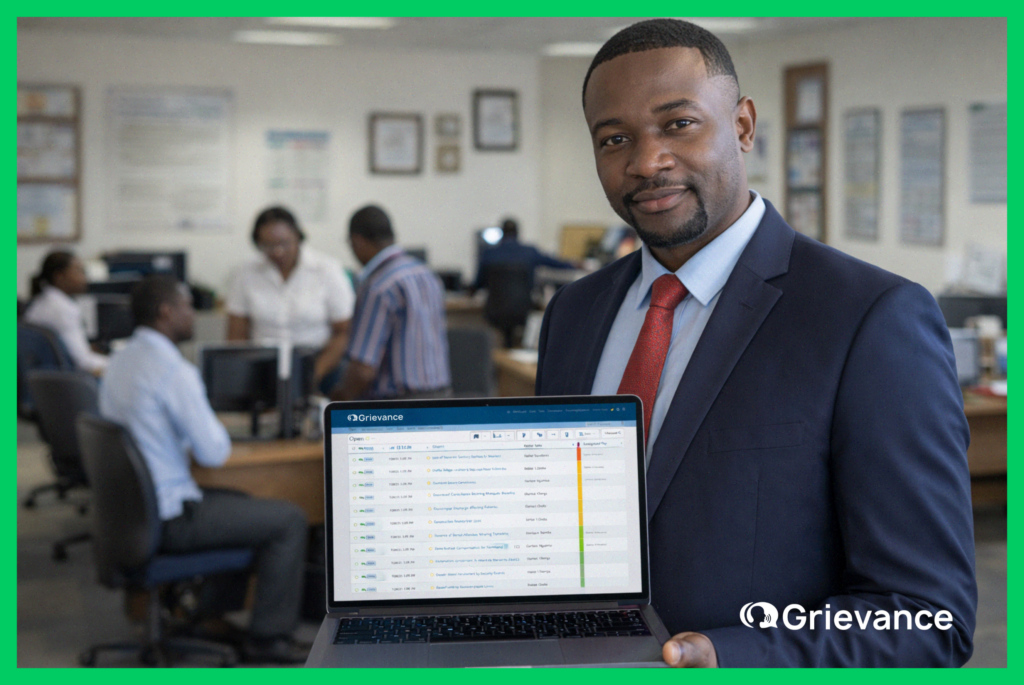
Public trust in government often hinges on how well citizen complaints are handled. When grievances go unanswered or ignored, it erodes the government’s credibility and fuels public frustration. In extreme cases, unresolved issues can even boil over into protests or social unrest. The solution is for governments to establish a formal government grievance system. Also known as a Grievance Redress Mechanism (GRM), this system provides a structured way for citizens to lodge complaints and get them resolved transparently. It acts as a bridge between citizens and the state, ensuring every concern is heard and addressed.
Many forward-thinking ministries and public agencies are moving from ad-hoc methods (scattered hotlines, suggestion boxes, manual logs) to centralised grievance platforms that bring consistency and oversight. A well-implemented government grievance system isn’t just bureaucratic red tape; it’s a cornerstone of good governance that demonstrates accountability, responsiveness, and integrity. In fact, international donors emphasise their importance; the World Bank Group mandates effective GRMs in all projects with significant social or environmental impacts.
In this guide, we’ll explain what a government grievance system is, why it’s essential in the public sector, and how adopting digital best practices can help agencies handle citizen complaints more efficiently. By the end, you’ll see how a robust GRM boosts transparency, prevents conflicts, and ultimately builds greater public trust in government.
What Is a Government Grievance System (GRM)?
A government grievance system is a formal process by which public institutions receive, address, and resolve complaints from citizens. In simple terms, it’s an official channel for citizen complaints, whether about poor services, infrastructure issues, corruption, or any other concern to be heard and remedied. This mechanism typically includes clear steps for submitting a grievance, review and investigation, and providing a response or solution to the complainant. Unlike informal complaint channels (like verbal reports or social media rants), a GRM is structured and trackable. Every complaint is logged, acknowledged, and followed through in a timely manner. Commonly, a government GRM involves:
- Multiple intake channels: Citizens can file grievances through various means, in person, via telephone hotlines, through letters, or increasingly via digital platforms (web portals or mobile apps). Offering multiple channels (including anonymous and multilingual options) ensures the system is inclusive and accessible to all segments of the population.
- Registration & tracking: Once a complaint is submitted, it’s recorded in a centralised system and assigned a unique tracking number. This allows both the citizen and officials to track its status. Transparency is key; the complainant should receive an acknowledgement and be able to know if the issue is in progress or resolved.
- Review and resolution process: The grievance is routed to the appropriate department or officer responsible for that issue. A good GRM has defined procedures and timelines for investigating the matter, taking corrective action, and communicating the outcome. For example, a complaint about a broken water pipe would be forwarded to the utilities department, which must respond within a set time frame. If an issue isn’t resolved promptly, the system should allow escalation to higher authorities.
- Feedback to the complainant: Finally, the citizen gets a response, ideally a solution or remedy, or at least an explanation of actions taken. This closing the loop is crucial; even if the news isn’t what they hoped for, knowing their voice was heard and addressed formally can improve satisfaction.
In essence, a government grievance system (GRM) creates a clear, accountable workflow for complaint handling. It transforms what could be chaotic or ignored grievances into an organised process where each case is documented and seen through. This not only resolves individual issues but also provides data to identify common problems. Over time, patterns in grievances can highlight areas where public services need improvement, making the GRM a valuable tool for governance and reform. By formally addressing citizen complaints, governments show they value feedback and uphold citizens’ rights to be heard, which is the foundation of a responsive, democratic public sector.
Key Benefits of a Government Grievance System
Implementing a grievance redress mechanism in the public sector isn’t just about handling complaints; it delivers significant strategic benefits for governments and citizens alike. Here are some of the core advantages of a robust government grievance system:
- Enhancing Public Accountability and Trust: When authorities openly address complaints, it demonstrates transparency and a commitment to serving the public. Citizens who see their concerns acknowledged and resolved are more likely to trust government institutions. A GRM provides visibility into the process with tracking numbers and updates so people know “nothing is being swept under the rug.” This openness holds officials accountable for resolving issues and shows that the government takes responsibility for its actions. Each resolved grievance is an opportunity to boost credibility and prove that citizen feedback matters. Conversely, ignoring complaints damages credibility. A well-run grievance system helps rebuild faith in public services by treating citizens as partners in problem-solving.
- Preventing Escalation and Social Unrest: A functional GRM acts as an early-warning system for conflict. By capturing grievances early, from potholes and power outages to allegations of mismanagement, authorities can address them before frustrations explode into public protests, strikes, or legal disputes. Unaddressed grievances tend to fester and can spark conflicts if left unchecked. For example, if a community’s complaints about a pollution issue are handled through a proper channel, it can avert that anger from boiling over. In this way, grievance mechanisms help maintain social stability. They offer a peaceful avenue for redress, reducing the likelihood that citizens will resort to the media or street demonstrations to be heard. In short, resolving small problems today prevents big crises tomorrow.
- Improving Service Quality and Feedback Loop: Grievances are a valuable source of feedback. By analysing complaint data, government agencies can identify systemic issues in service delivery. For instance, if multiple citizens report delays at a particular office or recurring faults in a service, management can pinpoint the root cause and fix it. A public sector GRM thus creates a feedback loop for continuous improvement. Rather than viewing complaints as a nuisance, forward-looking governments treat them as free insights on where to improve policies or operations. Over time, this leads to better public services and higher citizen satisfaction. In essence, a grievance system helps transform citizen criticism into constructive inputs for reform.
- Legal Compliance and Funding Requirements: In many jurisdictions, having a formal grievance redress process is not just good practice; it’s required. National regulations may mandate government departments to have citizen complaint portals or ombudsman offices. Importantly, international development partners now insist on GRMs for projects they finance. For example, the World Bank’s Environmental and Social Framework requires every major project to include a grievance mechanism. Governments that implement GRMs are therefore able to meet donor compliance standards and unlock funding. Similarly, grievance systems help satisfy legal obligations around transparency, human rights, and citizen participation. By institutionalising a complaint mechanism, agencies ensure they are on the right side of policies, from local laws to global safeguard standards. Compliance aside, this also signals to citizens and stakeholders that the government is serious about upholding accountability.
- Data-Driven Decision Making: A centralised grievance system captures all complaints in one database, enabling powerful analysis. Authorities can track how many issues are reported in each sector or region, average resolution times, and the most common types of problems. These analytics provide insight into where public resources are falling short or which policies are confusing. By spotting trends (e.g., a surge in complaints about a new online service or recurring issues with a contractor), leaders can make informed decisions to address underlying causes. The GRM essentially becomes a management tool: dashboards and reports from a digital platform highlight performance gaps and allow for evidence-based reforms. This results in smarter allocation of budgets and targeted interventions to areas with persistent grievances. In short, a grievance system not only solves individual cases but also guides better governance through data.
In summary, a government grievance system strengthens the social contract between citizens and the state. It enhances transparency, mitigates conflict, improves services, ensures compliance, and feeds learning back into the system. Especially in today’s climate of demand for accountability, a robust GRM is a public-sector must-have, turning citizen complaints into opportunities for positive change
Modernising Grievance Handling with Digital Tools
Traditionally, many government grievance systems were paper-based or fragmented across departments. This often led to slow responses, lost complaints, and poor oversight. The good news is that the public sector is increasingly embracing digital GRM platforms to modernise and streamline complaint handling. Digital grievance systems offer a game-changing advantage: they centralise all complaints on one platform and automate much of the process, making grievance redress faster and more effective than ever. Here’s how modern technology is transforming government GRMs:
- One-Stop, Multichannel Access: A digital GRM platform provides a centralised portal where all complaints are logged and managed. Citizens can submit issues 24/7 via their preferred channel, whether it’s an online form, mobile app, SMS, social media, or a public kiosk. This multichannel approach meets people where they are. Notably, digital platforms can accommodate anonymous submissions and support multiple languages, so users can report concerns in their own language without fear. By lowering barriers to entry, a digital system greatly expands access for rural residents, youth, the elderly, or other groups who might find traditional methods inconvenient. The result is more inclusive outreach: no grievance falls through the cracks due to limited access.
- Real-Time Tracking and Transparency: In a digital system, every grievance is automatically time-stamped and assigned to the right team, creating an immediate record. Both citizens and officials gain real-time visibility into the status of each case. For example, a complainant can log into the portal (or receive SMS/email updates) to see, “Your complaint is under review by Department X” or “Resolved on date Y.” Internally, managers have dashboards to monitor all incoming complaints, response times, and pending tasks. This level of transparency builds trust; there’s public proof of action on each complaint. Nothing gets lost in a pile of papers; every step is tracked. Moreover, automated reminders and alerts ensure that deadlines aren’t missed. If a case remains unresolved beyond a set timeframe, the system can escalate it to higher authorities. Overall, digital GRMs drastically reduce the chance of negligence by making the whole process visible and accountable in real time.
- Efficiency through Automation and Smart Workflows: By moving from manual handling to software, government agencies can significantly speed up grievance resolution. Digital GRM platforms often come with workflow automation, incoming complaints are auto-categorised and routed to the appropriate department or officer based on predefined rules (for instance, all road-related complaints go directly to the Transport Ministry’s queue). This eliminates the delays of forwarding issues around by mail or email. Some advanced systems even use AI to group similar complaints and suggest responses based on past cases. Staff receive notifications for new assignments and can collaborate within the platform, adding notes or assigning sub-tasks. Many tedious tasks (like generating acknowledgement letters or status reports) are handled by the software, freeing up officers to focus on investigation and solutions. The efficiency gains are clear: faster response times, fewer errors, and the capacity to handle higher volumes of complaints. For example, when Morocco introduced a digital citizen feedback platform, it reportedly cut average resolution times from weeks to just days. Likewise, other countries have seen major improvements in responsiveness after digitising their grievance systems.
- Data Analytics and Reporting: One of the most powerful benefits of digitising grievance redress is the wealth of data it produces. Modern GRM solutions include analytics dashboards that aggregate information on the fly. Governments can see how many complaints were received this month, the breakdown by category or region, how quickly they were resolved, and what the outcomes were. Trends become easier to spot, for instance, if a particular district shows a spike in water supply complaints, or if a certain type of issue (e.g. procurement grievances) is rising. These insights enable authorities to address not just individual cases but underlying systemic issues. They can prioritise reforms or allocate resources to areas generating the most grievances. Additionally, reporting tools make it simple to produce compliance reports for oversight bodies or donors, showing that all complaints are tracked and resolved in line with required standards. In short, a digital GRM turns raw complaints into actionable intelligence, driving smarter decisions and continual service improvement.
- Security, Privacy & Compliance: Governments handle sensitive information in grievance cases, from personal data to allegations of misconduct, so any digital system must be secure. Enterprise-grade GRM platforms come with robust security features: encryption of data, user authentication, and role-based access control (so officials only see cases relevant to their role). They maintain an audit log of every action taken on a case, which is vital for accountability and legal defensibility. Moreover, leading solutions align with international data protection standards (like GDPR) and donor requirements (e.g. World Bank ESS10). This means citizen data is safeguarded, and processes like anonymous reporting or whistleblower protection can be built in. By choosing a vetted digital platform, governments can ensure that their grievance handling is not only efficient and transparent but also compliant with all privacy laws and security protocols. This further builds public confidence that complaints are handled ethically and confidentially.
Platforms like Grievance App exemplify the digital transformation of public grievance systems. Grievance App is a dedicated GRM solution already adopted by governments, development banks, NGOs, and companies to manage complaints at scale. It offers an interactive interface that moves complaint management from paper to a platform, with features perfectly aligned to best practices: multichannel intake (web, mobile, SMS, etc.), automatic time-stamping and case routing, real-time dashboards, AI-assisted case handling, and comprehensive security controls. By leveraging such a tool, agencies can launch a fully functional grievance mechanism quickly without reinventing the wheel. The platform is customizable to local needs (languages, categories, user roles) and integrates with existing government systems via API, ensuring a seamless workflow. The impact can be remarkable, for example, the Sierra Leone Electricity Distribution Authority (EDSA) recently launched a digital grievance platform with Grievance App, dramatically improving transparency and customer satisfaction in the energy sector. Governments that digitise their GRM not only resolve complaints faster but also gain public praise for being transparent and tech-forward. In today’s connected world, a digital grievance system is quickly becoming essential infrastructure for good governance.
Best Practices for Implementing a Public Sector GRM
Establishing a government grievance system is a strategic move, but success depends on how it’s implemented. Here are some best practices and tips to ensure your public sector GRM truly delivers results:
- Obtain Leadership Buy-In and Clear Policies: Start at the top, secure support from government leaders or agency executives for the grievance initiative. When leadership openly champions the GRM, it sends a message that complaint resolution is a priority (not just lip service). Develop clear policies and guidelines for the GRM’s operation. This includes defining what issues can be grieved, the step-by-step process for handling a case, and expected timelines for responses. Publish these guidelines so that both staff and citizens know how the system works and what to expect.
- Design for Accessibility and Inclusion: A public grievance mechanism must be user-friendly and accessible to all citizens. Set up multiple intake channels: for example, a toll-free hotline, an online portal, a mobile app, and physical helpdesks in local government offices. Ensure the system supports local languages and offers help for those with low literacy (such as options to submit voice notes or get assistance filing a complaint). Meet people where they are. In rural or marginalised communities, you might partner with community organisations to spread awareness about how to submit grievances. The more inclusive your GRM, the more trust it will gain across different demographics. (Tip: Consider anonymous submissions and whistleblower protections for sensitive complaints, to encourage reporting of issues like corruption or abuse.)
- Train Staff and Build Capacity: Even the best GRM policy will falter if staff are not prepared to implement it. Train the personnel who will interact with the system, from front-line complaint officers who receive cases, to investigators and managers who must respond. Training should cover how to use any digital platform involved, as well as skills in communication, empathy, and problem-solving. It’s important to foster a culture of “service recovery”; officials should see resolving complaints as a way to improve services, not as a threat or extra work. Define roles clearly: who logs cases, who investigates, who approves resolutions. Encourage departments to designate grievance focal points. Regular workshops and refreshers can keep everyone aligned with GRM procedures. As one of our blog posts emphasises, internal training and promotion of the system are key to success; staff need to understand the value of the GRM and be committed to its goals.
- Publicise the GRM to Citizens: “If you build it, they won’t come, unless they know about it.” After launching a grievance system, invest in outreach and communication so citizens are aware of this channel. Governments should announce the GRM through multiple platforms: press releases, community radio, social media, local bulletin boards, and through civil society groups. Explain in clear terms how people can submit complaints and the kind of response they can expect. Encourage feedback and emphasise that the aim is to improve public services. When citizens see officials inviting complaints, it can start to change perceptions positively. Also, ensure that every government office or project site has visible information (posters or brochures) about the grievance mechanism. Engaging the community early on will drive usage, which is the lifeblood of an effective GRM. The more people use it, the more impact it can have.
- Monitor, Evaluate, and Adapt: Implementation isn’t one-and-done; it’s crucial to continuously monitor the GRM’s performance. Use the system’s tracking data to measure key indicators: How many grievances are coming in? Are responses meeting the stipulated timeframes? What is the resolution rate? Identify any bottlenecks, for example, if complaints related to a certain department are often delayed, dig into why (perhaps they need more resources or training). Collect feedback from users: you can survey citizens on their satisfaction with how their grievance was handled, or gather input from staff on difficulties they face using the system. This information will help you fine-tune the process. Maybe you’ll find you need an extra staff member at the helpdesk, or additional training on the digital tool’s new features. Continuous improvement is the name of the game. By regularly evaluating the GRM, governments can adapt and strengthen it over time, turning it into a truly responsive, evolving mechanism. Over the long run, this means the GRM not only resolves complaints but also helps prevent future grievances by proactively addressing root causes and improving institutional performance.
By following these best practices, government agencies can significantly increase the effectiveness of their grievance redress mechanism. Remember that a GRM is as much about culture change as it is about process. It succeeds when public officials embrace transparency and citizens feel genuinely heard. With strong leadership, the right technology, and ongoing commitment, a government GRM system becomes an invaluable asset, improving governance outcomes and reinforcing the bond of trust with the population.
Conclusion
A government grievance system is more than a checkbox for compliance; it’s a powerful tool for educational, responsive governance that puts citizens at the center. By establishing a clear pathway for citizen complaints and feedback, governments can resolve issues before they escalate, learn from public input, and demonstrate accountability at every step. In today’s digital age, the best results come from pairing this commitment with modern GRM technology. A centralized, digital grievance platform brings speed, transparency, and data insights that traditional methods simply can’t match. Ministries and agencies that have adopted such systems are seeing firsthand how it elevates public trust and improves service delivery.
If your government agency is looking to strengthen its social contract and handle grievances more efficiently, now is the time to act. Don’t let unresolved complaints undermine public confidence or project outcomes. Instead, empower your team with the right tools and practices to turn complaints into opportunities for improvement.
Need help getting started? Grievance App is here to support your journey. Request your free demo today to discover how our robust digital GRM solution can be tailored to your needs. See for yourself how an interactive platform can streamline complaint management, from multichannel intake and smart case tracking to analytics and reporting, all while adhering to international best practices in transparency and security. By investing in a proven solution like Grievance App, your government can accelerate implementation and start reaping the benefits of an effective grievance redress mechanism immediately.
Every voice matters, and with the right grievance system in place, every voice will be heard. It’s time to strengthen accountability, enhance citizen engagement, and build greater trust in public institutions. Take the next step toward better governance by modernizing your GRM. Your citizens and your partners will thank you for it.
FAQ: Government GRM Systems
What is a government grievance redress system?
A government grievance redress system is a formal mechanism that allows citizens to file complaints with public authorities and receive resolutions. It typically includes multiple channels for submission (online forms, hotlines, etc.), a tracking process, and defined timelines to address issues. In short, it’s an official complaint management system in the public sector designed to ensure citizen grievances are heard and resolved transparently.
Why do governments need a grievance mechanism for citizen complaints?
Governments need grievance mechanisms to improve public service and foster trust with citizens. By providing an official channel for citizen complaints, authorities can fix problems more quickly and demonstrate accountability. A GRM helps prevent small issues (like a delayed welfare payment or a pothole) from escalating into public anger by addressing them early. It also shows the public that the government values feedback. Many donors and laws now require such mechanisms as part of good governance, so a GRM also helps governments meet compliance requirements while improving their responsiveness to the people they serve.