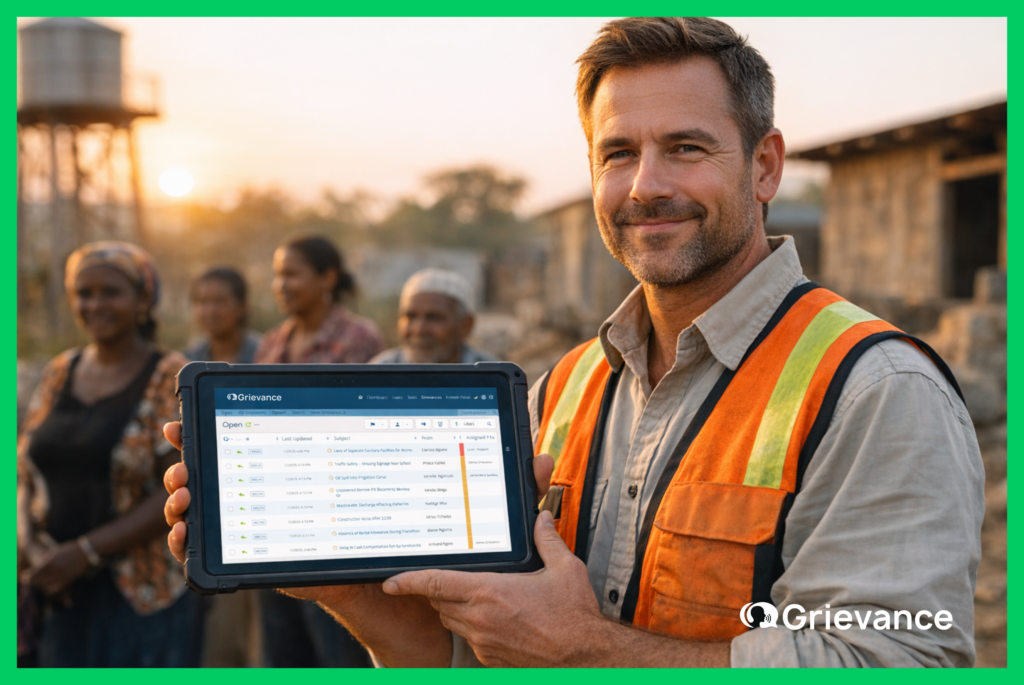
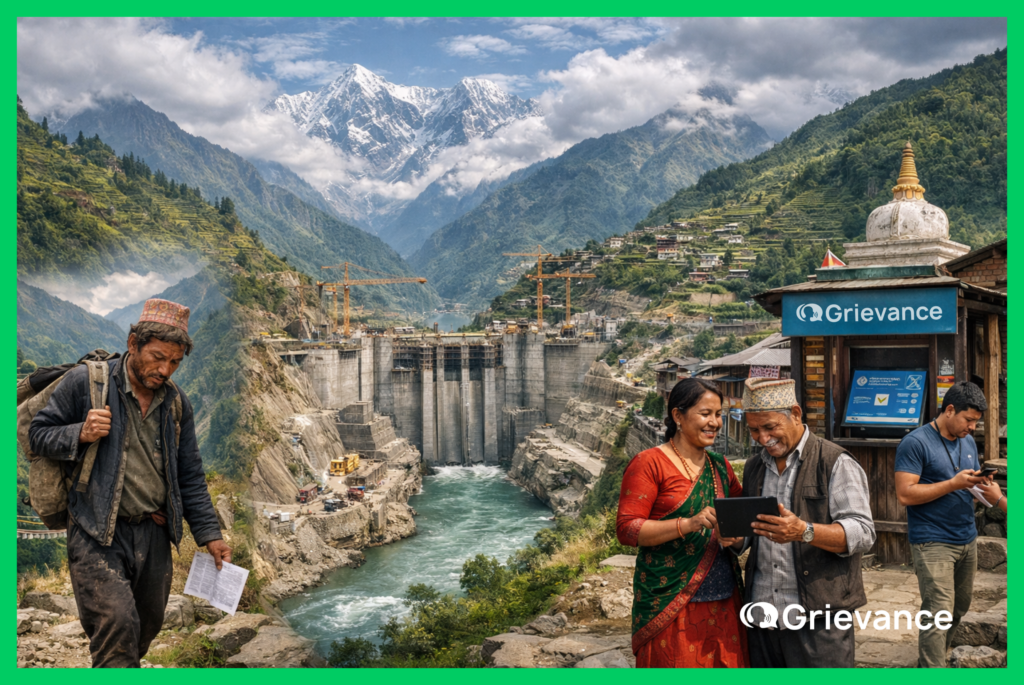
Use Case · Brazil · Environmental & Indigenous Grievances When communities have no voice, and companies have no accountability trail, conflicts are inevitable. Discover how a robust digital GRM changes the equation for everyone. Brazil is burning, not only in the literal sense, as satellite data continues to document record deforestation across the Amazon […]
Digital Grievance Redress Mechanism in Kenya: How NGOs Can Resolve Land Conflicts in Oil, Gas & Infrastructure Project
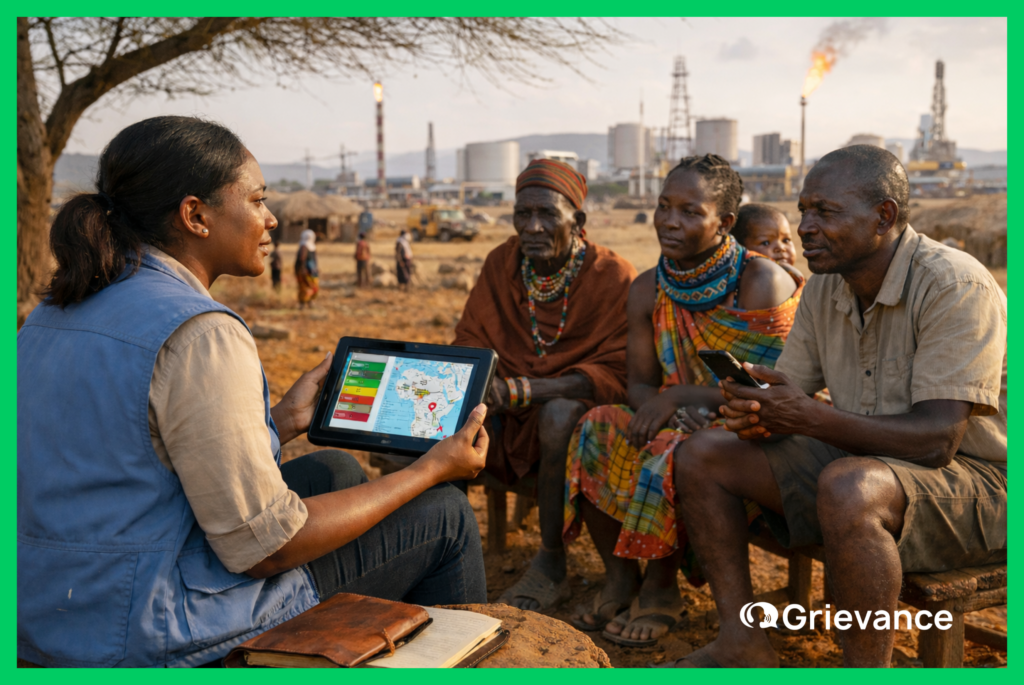
Use Case: Managing Land-Related Grievances in Kenya Context: Oil, Gas & Infrastructure Projects Solution: Grievance App Land is not simply an economic asset in Kenya; it is identity, legacy, and livelihood. For communities living along infrastructure corridors in the Rift Valley, Turkana County, or the coastal belt of Lamu, a pipeline survey, a road […]
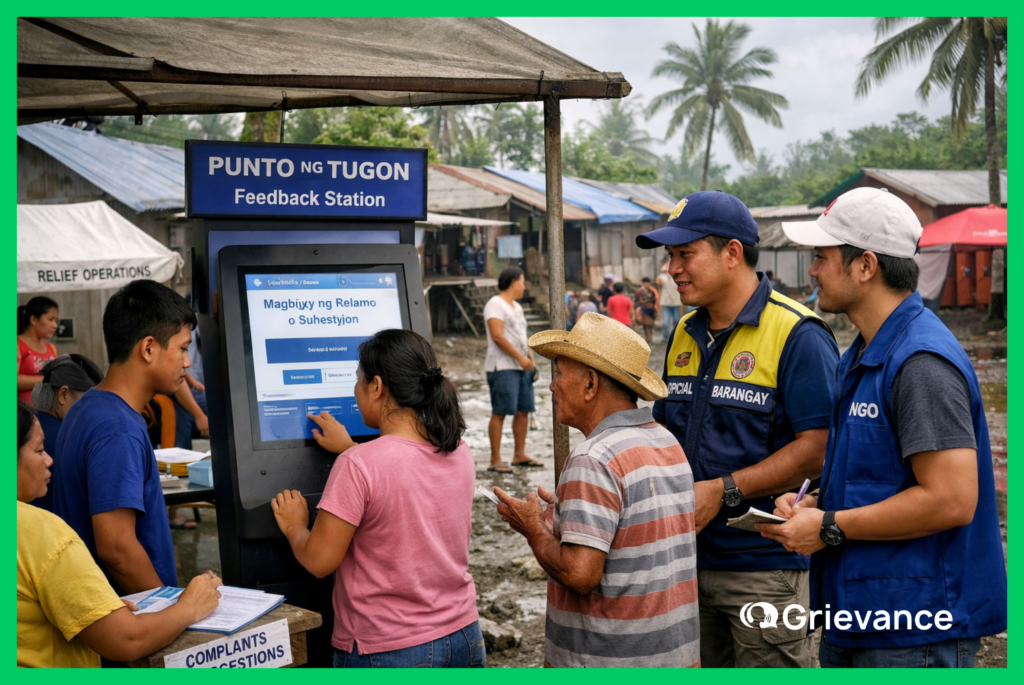
Use Case: Community Feedback Mechanisms in Disaster Recovery Projects in the Philippines
Natural disasters are a constant threat in the Philippines, one of the world’s most disaster‑prone countries. Typhoons, floods and earthquakes strike regularly, affecting millions and overwhelming local capacities. Yet in many recovery efforts, communities often lack structured channels to voice needs and complaints. Studies of the 2013 Typhoon Haiyan (Yolanda) response found that “active community […]
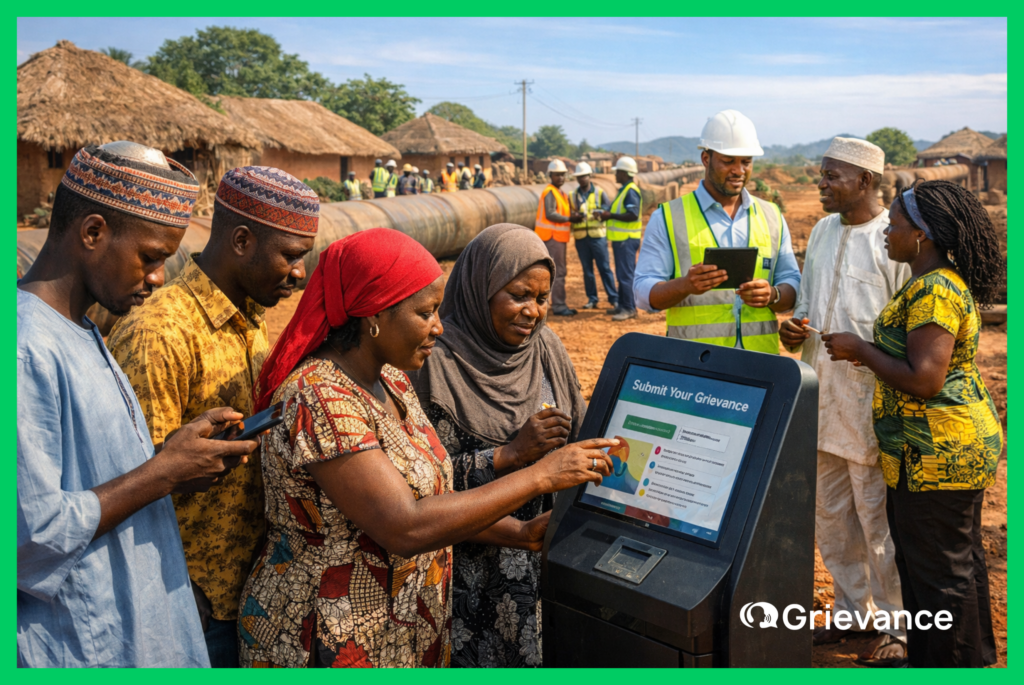
Use Case: Grievance Redress Mechanism Nigeria – How a Digital GRM Can Reduce Community Conflict in Infrastructure Projects
In Nigeria, large infrastructure and energy projects often trigger community tensions. Complaints about land acquisition, environmental damage, unpaid compensation, or broken promises can quickly escalate into protests or work stoppages. For example, an oil-producing community in Anambra State shut down 12 wells in early 2026 over long‐standing neglect and pollution. In Rivers State, hundreds of […]
How a Digital ESG Grievance System Strengthens Safeguards and Sustainability
In an era of heightened Environmental, Social, and Governance (ESG) scrutiny, organizations face constant pressure to demonstrate accountability and transparency. If communities or stakeholders have no clear way to raise concerns, even small issues can escalate, leading to protests, delays, or lost funding. For projects with environmental or social impacts, this risk is especially acute: […]
World Bank Grievance Redress Mechanism: Ensuring Accountability and Trust in Projects
In World Bank–funded projects, a robust Grievance Redress Mechanism (GRM) is more than a bureaucratic checkbox; it’s a lifeline for community trust and project success. When local concerns and complaints go unheard, they can fester into serious problems: minor issues like dust or noise can spark protests, costly delays, or even project suspension. The World […]
How Governments Can Manage Citizen Complaints Digitally
Governments around the world are under growing pressure to handle public complaints more efficiently and transparently. In an age where citizens expect instant communication and accountability, relying on paper forms or office suggestion boxes is no longer sufficient. Traditional grievance processes, piles of paperwork, slow bureaucratic responses, and a lack of follow-up often leave the […]
Key Features of a Modern Grievance Redress Mechanism Platform
Managing stakeholder complaints effectively is now a strategic imperative for donors and organizations. A Grievance Redress Mechanism platform must be accessible, transparent, and efficient, otherwise issues escalate into crises. Modern digital GRM solutions address these needs by offering a rich feature set for complaint intake, tracking, and resolution. Today’s donors (World Bank, UN, EU, etc.) […]
Safeguards Grievance Redress Mechanism: Key to Effective Project Oversight and Compliance
In donor-funded projects and government programs, safeguards grievance redress mechanism may sound like just another compliance checkbox. Yet overlooking it can lead to serious consequences: community complaints festering into protests, costly delays, or even project suspension. Safeguards supervision, the monitoring of environmental and social standards in projects, depends heavily on having a formal grievance mechanism […]
Project Grievance Mechanism: The Key to Conflict-Free Infrastructure Projects
Public infrastructure projects, whether building highways, power lines, or urban facilities, often stir strong reactions from local communities. Noise, land acquisition, environmental concerns, or compensation issues can quickly spark discontent if left unaddressed. Without a proper project grievance mechanism, minor complaints may fester into full-blown conflicts that delay or derail projects. In Africa and around […]